Introduzione
Galvanized scaffolding is widely used in construction, infrastructure, industrial maintenance, and outdoor access projects because steel scaffolding is often exposed to rain, humidity, impact, abrasion, and repeated handling. Without proper surface protection, scaffold components can rust, become difficult to assemble, and lose long-term value.
When buyers compare galvanized scaffolding, two common options are pre-galvanized scaffolding E hot-dip galvanized scaffolding. Both use zinc to protect steel from corrosion, and both may be described simply as “galvanized.” However, they are produced in different ways and are suitable for different exposure conditions.
For contractors, rental companies, and procurement teams, understanding the difference between pre-galvanized and hot-dip galvanized scaffolding can help prevent premature corrosion, reduce maintenance costs, and avoid specification confusion.
As a professional scaffolding supplier, Impalcatura APAC provides galvanized scaffolding systems and components according to different project requirements, including applications where stronger corrosion protection is required.
What Is Galvanized Scaffolding?
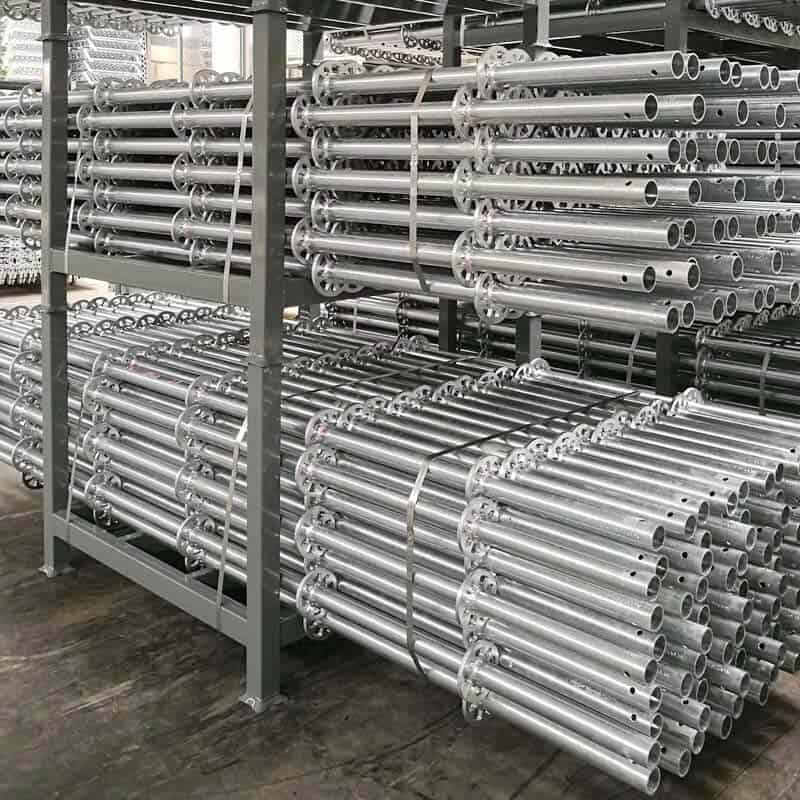
Galvanized scaffolding refers to steel scaffold components protected by a zinc coating. Zinc helps protect the base steel in two main ways. First, it acts as a barrier between the steel and the surrounding environment. Second, zinc provides sacrificial protection, meaning it corrodes before the underlying steel when the coating is damaged.
This is important for scaffolding because scaffold components are frequently transported, stacked, installed, dismantled, and stored outdoors. Components such as ringlock standards, ledgers, braces, frames, steel planks, jacks, couplers, and accessories all need reliable surface protection to maintain long-term usability.
However, not all galvanized finishes are the same. The two common types buyers often compare are pre-galvanized and hot-dip galvanized finishes.
What Is Pre-Galvanized Scaffolding?
Pre-galvanized scaffolding is made from steel that has already been galvanized before the final scaffold component is fabricated. Pre-galvanized steel may also be called mill galvanized, in-line galvanized, O continuously galvanized steel.
In continuous galvanizing, steel sheet or strip passes through a molten zinc bath on a production line before it is cut, punched, formed, welded, or assembled into the final product. One common coating class for continuously galvanized sheet is G90, which has 0.9 oz/ft² of zinc total on both sides, or about 0.80 mils / 20 μm per side.
For scaffolding, pre-galvanized material may be used for certain light to medium-duty components where the environment is relatively dry and corrosion exposure is limited. It can offer a smooth appearance, efficient production, and lower initial cost.
The key limitation is that the zinc coating is applied before fabrication. Once the material is cut, punched, drilled, or welded, some edges and processed areas may no longer have the same zinc protection. These exposed areas rely on nearby zinc’s sacrificial protection or may require additional touch-up treatment.
What Is Hot-Dip Galvanized Scaffolding?
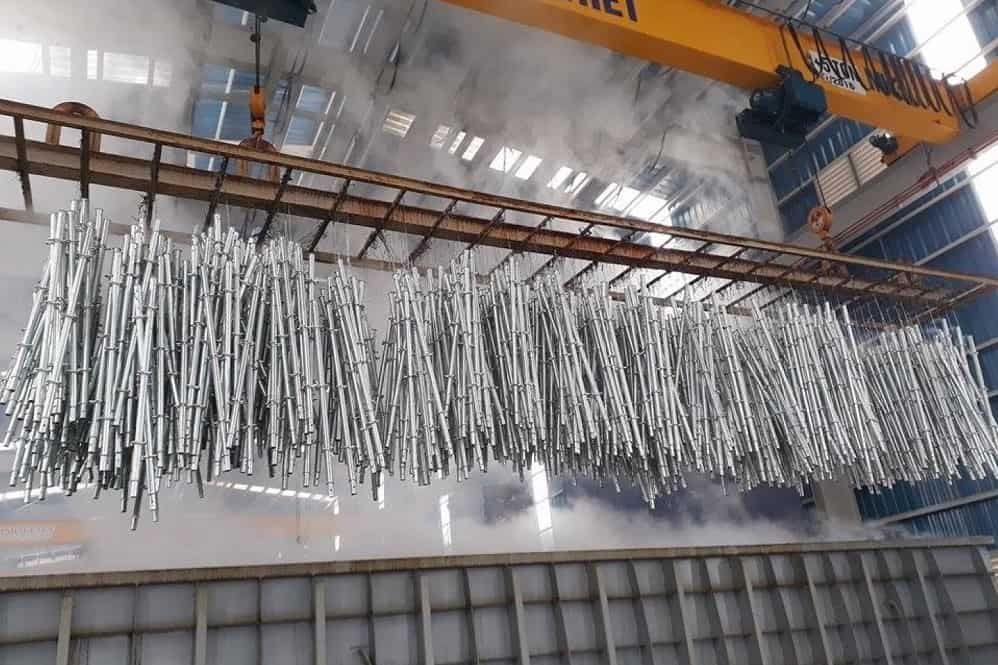
Hot-dip galvanized scaffolding is usually galvanized after the scaffold component has already been fabricated. In this process, finished steel components are cleaned and then immersed in molten zinc. The zinc reacts with the steel surface to form protective zinc-iron alloy layers.
ASTM A123/A123M covers hot-dip galvanized zinc coatings on iron and steel products, including both individual steel pieces and fabricated assemblies. For smaller hardware and fasteners, ASTM A153 is commonly used as the hot-dip galvanizing specification.
For scaffolding, this post-fabrication process is important because many scaffold components have welded joints, holes, corners, brackets, rosettes, pins, and connection areas. When the finished component is galvanized, the coating can protect more of the final product geometry, including areas that may otherwise be exposed after fabrication.
Common hot-dip galvanized scaffold components include ringlock scaffolding, frame scaffolding, steel planks, shoring props, base jacks, U-head jacks, couplers, guardrails, braces, and scaffold accessories.
Key Differences Between Pre-Galvanized and Hot-Dip Galvanized Scaffolding
The most important difference is when the zinc coating is applied. Pre-galvanized steel is coated before fabrication. Hot-dip galvanized scaffolding is coated after fabrication.
That timing affects coating thickness, edge protection, weld protection, durability, appearance, and long-term maintenance.
| Articolo | Pre-Galvanized Scaffolding | Hot-Dip Galvanized Scaffolding |
| Galvanizing Stage | Before fabrication | After fabrication |
| Common Process | Continuous or mill galvanizing | Batch galvanizing of finished components |
| Coating Thickness | Usually thinner | Usually thicker |
| Surface Appearance | Smooth and uniform | Silver-gray, sometimes rougher or matte |
| Edge Protection | Cut edges may be exposed | Edges are coated after fabrication |
| Weld Protection | Welded areas may need repair | Welded areas are coated after fabrication |
| Abrasion Resistance | Suitable for mild use | Stronger for repeated handling |
| Best Environment | Indoor, dry, low-corrosion conditions | Outdoor, humid, coastal, industrial conditions |
| Costo iniziale | Usually lower | Usually higher |
| Lifecycle Value | Good for mild exposure | Better for long-term or harsh exposure |
Coating Thickness and Corrosion Protection
Coating thickness is one of the major differences between pre-galvanized and hot-dip galvanized scaffolding.
Pre-galvanized steel generally has a thinner zinc coating. This can be enough for indoor or mild environments, especially where components are not heavily exposed to rain, standing water, salt, or chemicals.
Hot-dip galvanized coatings are usually thicker and are often preferred for long-term outdoor corrosion protection. The American Galvanizers Association notes that a hot-dip galvanized coating thickness of at least 3.0 mils is generally recommended for long-term corrosion protection in exterior environments or contact with soil.
For scaffolding buyers, this matters because outdoor scaffold systems are exposed to weather and repeated jobsite handling. In harsh environments, a thicker and more complete zinc coating can help extend service life and reduce maintenance.
Edge and Weld Protection: Why It Matters for Scaffolding
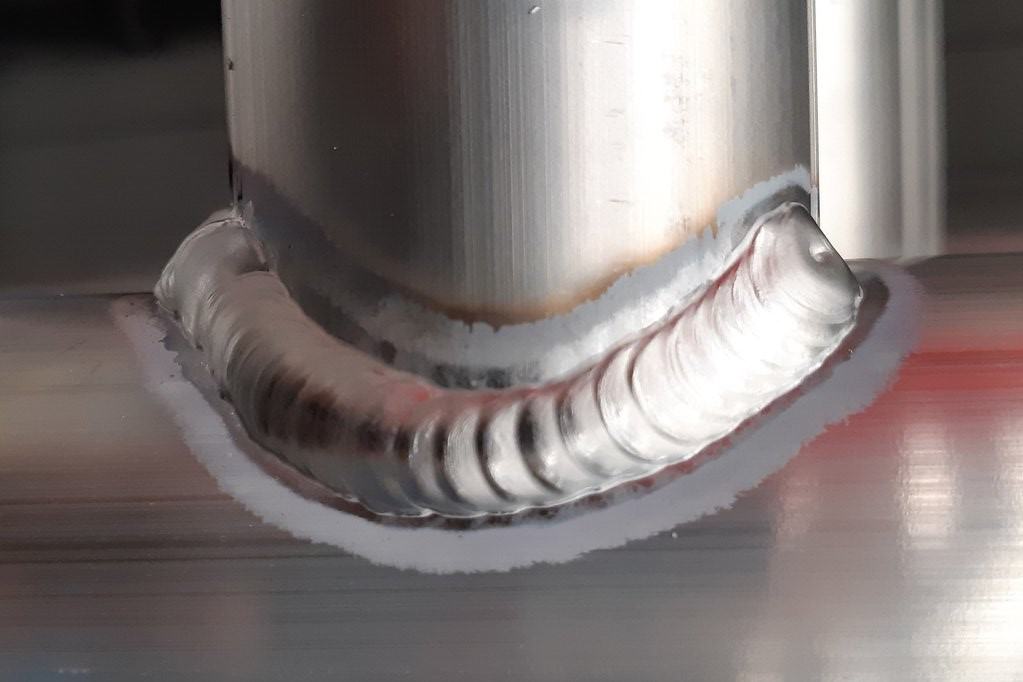
Scaffolding components are rarely simple flat pieces. They often include welded joints, punched holes, brackets, locking parts, connection points, formed sections, and threaded areas. These details make edge and weld protection very important.
In pre-galvanized scaffolding, the steel is galvanized before fabrication. After cutting, punching, or welding, some areas may become exposed. For example, a cut edge may not have the same coating thickness as the original galvanized surface. A welded area may also lose zinc protection around the heat-affected zone.
In hot-dip galvanized scaffolding, the finished component is galvanized after fabrication. This means edges, welds, holes, corners, and many hard-to-reach areas can receive zinc coating as part of the final product.
This difference is especially important for:
- Ringlock rosettes and welded connection areas
- Ledger heads and wedge pins
- Frame scaffolding welded joints
- Steel plank formed edges and end caps
- Base jacks and U-head jacks
- Couplers, brackets, and small accessories
- Components used in rental fleets
If exposed areas are not protected properly, rust may begin at edges or welds before it appears on the main flat surface.
Coating Continuity and Component Design
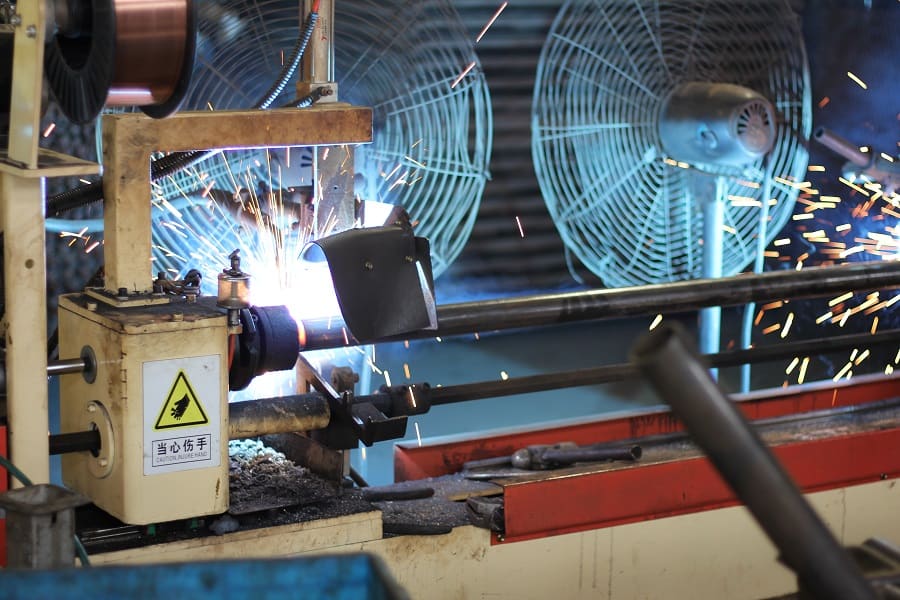
Coating continuity means how completely the protective zinc coating covers the final scaffold component. For scaffolding, coating continuity is often more important than surface appearance.
Hot-dip galvanizing generally provides better coating continuity because the entire finished component is immersed after fabrication. This is valuable for parts with multiple welds, corners, and connection points.
However, good component design is still necessary. For hollow or complex scaffold components, proper venting and drainage are required so cleaning solutions and molten zinc can flow through the part safely and completely. Poor venting and drainage can lead to bare spots, zinc build-up, quality issues, or safety risks during galvanizing.
This is why a scaffolding supplier should understand not only fabrication, but also how scaffold parts behave during galvanizing.
Durability and Abrasion Resistance
Scaffolding is not installed once and left untouched. It is transported, stacked, unloaded, assembled, dismantled, and reused many times. During this lifecycle, the coating must resist impact and abrasion.
Hot-dip galvanized coatings are metallurgically bonded to the steel. The coating includes zinc-iron alloy layers, which help improve coating toughness and abrasion resistance. This makes HDG scaffolding a strong choice for repeated construction use and rental applications.
Pre-galvanized scaffolding can be suitable in lower-wear environments, but exposed cut edges and welded areas are more likely to become weak points if they are not properly treated.
For scaffold rental companies, durability is especially important. Rental scaffolding is repeatedly loaded, unloaded, handled, stored, and moved between jobsites. In this case, hot-dip galvanized scaffolding often provides better long-term value.
Appearance: Smooth Finish vs Heavy-Duty Protection
Pre-galvanized scaffolding usually has a smoother and more uniform appearance. For some indoor or light-duty applications, this can be an advantage.
Hot-dip galvanized scaffolding may have a more matte, rough, or crystalline surface appearance. In some cases, buyers may notice a spangle pattern or slight surface variation. This is normal for galvanized steel and should not be judged only by appearance.
For scaffold buyers, surface appearance should be considered together with coating adhesion, coating thickness, coverage, and corrosion protection. A smoother finish does not always mean better long-term durability, especially for outdoor or industrial use.
Cost Comparison: Initial Cost vs Lifecycle Value
Pre-galvanized scaffolding usually has a lower initial cost. It can be a practical option when the project is indoors, short-term, or cost-sensitive.
Hot-dip galvanized scaffolding usually costs more at the beginning because the finished components must go through cleaning, dipping, cooling, inspection, and packaging after fabrication. However, the higher initial cost may be offset by longer service life and lower maintenance.
When comparing cost, buyers should consider:
- Initial product cost
- Maintenance cost
- Rust repair and touch-up cost
- Replacement frequency
- Downtime
- Storage conditions
- Transportation frequency
- Jobsite environment
- Expected service life
For short-term indoor use, pre-galvanized scaffolding may be enough. For outdoor use, coastal projects, industrial environments, or rental fleets, hot-dip galvanized scaffolding often provides better lifecycle value.
Which One Is Better for Outdoor Scaffolding?
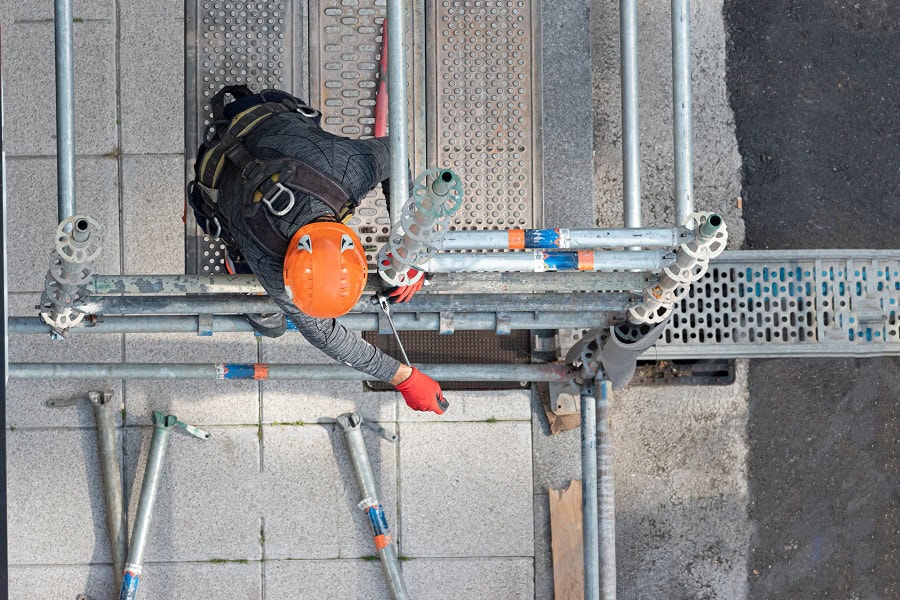
For most outdoor scaffolding applications, hot-dip galvanized scaffolding is usually the better choice.
Outdoor scaffolding is exposed to rain, humidity, mud, dust, UV exposure, temperature changes, and repeated handling. In coastal or industrial environments, corrosion risk becomes even higher.
Hot-dip galvanizing provides stronger protection because the zinc coating is applied after the component is fabricated. This helps protect edges, welds, holes, corners, and connection areas that are common in scaffold components.
Pre-galvanized scaffolding may still be used outdoors in mild or short-term applications, but buyers should carefully check whether exposed edges and welded areas need additional protection.
Which One Is Better for Ringlock Scaffolding?
For ringlock scaffolding, hot-dip galvanizing is commonly preferred, especially for outdoor construction, infrastructure projects, industrial maintenance, and rental fleets.
Ringlock scaffolding has many connection areas, including rosettes, ledger heads, wedge pins, braces, base collars, and welded joints. These parts are repeatedly locked, unlocked, handled, and stacked. If corrosion develops around connection points, assembly can become harder and the system may lose efficiency over time.
Hot-dip galvanized ringlock scaffolding provides better protection for the finished component. It also helps maintain a professional appearance and reduce maintenance needs.
When Should You Choose Pre-Galvanized Scaffolding?
Pre-galvanized scaffolding may be a suitable option when the environment is mild and cost control is a priority.
It may be considered for:
- Indoor projects
- Dry environments
- Short-term use
- Light to medium-duty applications
- Cost-sensitive projects
- Components with fewer welded or exposed areas
- Projects where smooth appearance is important
However, buyers should be careful when using pre-galvanized scaffolding in outdoor or humid environments. If the component has cut edges, punched holes, or welded areas, additional corrosion protection may be needed.
When Should You Choose Hot-Dip Galvanized Scaffolding?
Hot-dip galvanized scaffolding is usually recommended when durability and long-term corrosion protection are more important than the lowest initial cost.
It is a strong choice for:
- Outdoor construction
- Coastal projects
- Humid environments
- Manutenzione industriale
- Shipyards
- Bridges and infrastructure
- Power plants and refineries
- Long-term rental fleets
- Heavy-duty scaffolding systems
- Projects with limited maintenance access
For buyers who want scaffolding that can withstand repeated use and challenging site conditions, HDG scaffolding is often the safer and more economical long-term option.
Pre-Galvanized vs Hot-Dip Galvanized Scaffolding: Quick Selection Guide
| Project Condition | Better Choice | Reason |
| Indoor, dry environment | Pre-galvanized | Cost-effective and sufficient for mild exposure |
| Short-term light-duty use | Pre-galvanized | Costo iniziale inferiore |
| Smooth appearance required | Pre-galvanized | More uniform surface finish |
| Outdoor construction | Hot-dip galvanized | Better weather and corrosion resistance |
| Coastal or humid area | Hot-dip galvanized | Stronger long-term protection |
| Industrial or chemical environment | Hot-dip galvanized | Better performance in corrosive conditions |
| Scaffold rental fleet | Hot-dip galvanized | Lower maintenance and longer service life |
| Ringlock scaffolding system | Hot-dip galvanized | Better protection for welded and connection areas |
| Heavy-duty support applications | Hot-dip galvanized | Better durability for demanding use |
What About Repair and Touch-Up?
Both pre-galvanized and hot-dip galvanized scaffolding may require repair if the zinc coating is damaged. This is especially important at exposed edges, welded areas, damaged surfaces, or areas affected by rough handling.
ASTM A780 describes methods that may be used to repair damaged hot-dip galvanized coatings on hardware, structural shapes, and other products. The American Galvanizers Association also notes that repair and touch-up are important to maintain barrier and cathodic protection.
For scaffolding buyers, the practical point is simple: exposed steel should not be ignored. If a galvanized scaffold component is cut, welded, damaged, or heavily abraded after galvanizing, the affected area should be evaluated and repaired according to the applicable specification.
What Buyers Should Check Before Ordering
Before choosing between pre-galvanized and hot-dip galvanized scaffolding, buyers should review both the project conditions and the product specifications.
Important questions include:
- Will the scaffolding be used indoors or outdoors?
- Is the project located in a humid, coastal, or industrial environment?
- How long will the scaffolding be used?
- Will the components be frequently assembled, dismantled, and transported?
- Are there many welded joints, holes, cut edges, or formed sections?
- Is long-term rental use expected?
- What surface treatment is required in the project specification?
- Are coating thickness or inspection reports required?
- What is the expected maintenance plan?
- Is the lowest initial cost more important than long-term service life?
- Does the project require ASTM, EN, ISO, AS/NZS, or other local standards?
The right answer depends on the full application, not only the product name. A reliable supplier should help buyers compare surface treatment, steel grade, welding quality, component design, and lifecycle cost.
Conclusione
Both pre-galvanized and hot-dip galvanized scaffolding use zinc coating to protect steel, but they are not the same. Pre-galvanized scaffolding can be a practical and cost-effective option for indoor, dry, short-term, or mild environments. Hot-dip galvanized scaffolding offers stronger corrosion protection, better coverage for fabricated components, and better long-term value in outdoor and demanding jobsite conditions.
For most outdoor construction, industrial maintenance, coastal projects, infrastructure work, and rental fleets, hot-dip galvanized scaffolding is usually the preferred choice. It helps extend service life, reduce maintenance, and protect key scaffold components from corrosion.
Looking for durable galvanized scaffolding for your next project? Contact Impalcatura APAC for ringlock scaffolding, frame scaffolding, steel planks, shoring props, base jacks, couplers, and scaffold accessories with suitable surface treatments for your project environment.
FAQ About Pre-Galvanized vs Hot-Dip Galvanized Scaffolding
What is the difference between pre-galvanized and hot-dip galvanized scaffolding?
Pre-galvanized scaffolding is made from steel that is galvanized before fabrication. Hot-dip galvanized scaffolding is usually galvanized after the component is fabricated. Because of this, hot-dip galvanizing normally provides better coverage for edges, welds, holes, and corners.
Is hot-dip galvanized scaffolding better than pre-galvanized scaffolding?
For outdoor, humid, coastal, industrial, and long-term applications, hot-dip galvanized scaffolding is usually better because it provides stronger corrosion protection. For indoor or mild environments, pre-galvanized scaffolding may be a cost-effective choice.
Is pre-galvanized scaffolding suitable for outdoor use?
Pre-galvanized scaffolding may be used outdoors in mild or short-term conditions, but buyers should pay attention to cut edges, punched holes, and welded areas. These areas may need additional protection to reduce corrosion risk.
Why are cut edges important in pre-galvanized scaffolding?
Pre-galvanized steel is coated before fabrication. When the material is cut or punched, the newly exposed edge may not have the same zinc coating as the original surface. These areas may become weak points for corrosion if they are not properly protected.
Why is hot-dip galvanizing common for ringlock scaffolding?
Ringlock scaffolding has many welded and connection areas, such as rosettes, ledger heads, wedge pins, and braces. Hot-dip galvanizing can better protect the finished component, making it suitable for repeated outdoor use.
Does hot-dip galvanized scaffolding cost more?
Hot-dip galvanized scaffolding usually has a higher initial cost than pre-galvanized scaffolding. However, it can reduce long-term maintenance, repainting, and replacement costs, especially in harsh environments.
Which galvanized scaffolding is better for rental companies?
Hot-dip galvanized scaffolding is usually better for rental companies because rental products are repeatedly transported, assembled, dismantled, and stored. Better corrosion resistance can help extend service life and reduce maintenance.
Can galvanized scaffolding be repaired if the coating is damaged?
Yes. Damaged galvanized areas can be repaired according to applicable repair standards and project requirements. Exposed steel should be evaluated and repaired to maintain corrosion protection.
Can APAC Scaffold supply hot-dip galvanized scaffolding?
Yes. APAC Scaffold supplies hot-dip galvanized scaffolding systems and components for construction, infrastructure, industrial maintenance, and access projects.