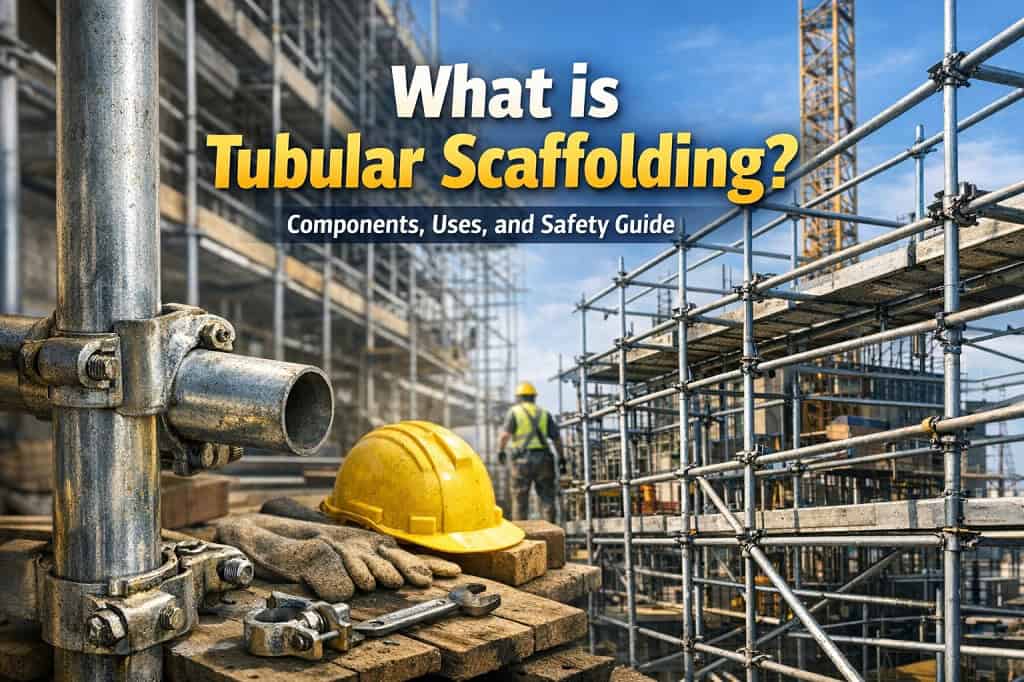
Scaffold safety is one of the most important parts of construction site management. Different types of scaffolding are used to support workers, tools, and materials at height, even a small mistake can lead to serious injuries, falling objects, structural instability, or costly project delays. Falls remain one of the leading causes of construction deaths.
In this guide, we will discuss the key scaffold safety do’s and don’ts to help contractors, supervisors, and workers reduce risk and maintain safer operations on site.
Why Scaffold Safety Is Important
Scaffolds provide temporary elevated access for many types of construction, maintenance, and renovation work. They improve productivity by helping workers reach difficult areas efficiently, but they also introduce significant hazards when safety requirements are ignored.
Common scaffold risks include falls from height, objects falling from platforms, unsafe climbing methods, improper loading, unstable foundations, and contact with overhead power lines. When scaffolds are poorly designed, incorrectly erected, or used without inspection, the consequences can be severe.
Scaffold safety matters because it protects workers, improves jobsite efficiency, supports compliance with safety standards, and reduces the chance of work stoppages or liability issues. A well-managed scaffold system creates a safer and more reliable working environment for everyone on site.
Scaffold Safety Do’s
Get proper training before using scaffold
Every worker who uses scaffold should understand the hazards involved and the correct safety procedures. Training should cover fall prevention, load limits, access methods, hazard recognition, and the proper use of fall protection equipment. Employers should also align worker instruction with OSHA training requirements.
Inspect the scaffold before every shift
Scaffold inspection should happen before the start of each work shift. A competent person should check the structure for damaged assi, loose connections, missing guardrails, unstable base conditions, improper ties, or any signs of tampering. Daily inspection helps identify problems early before they turn into accidents.

Wear proper PPE
Personal protective equipment plays a major role in scaffold safety. Workers should wear hard hats, non-slip safety boots, high-visibility clothing, and other required protective gear for the site. Where needed, fall protection systems such as harnesses and lanyards should be used correctly and attached to appropriate anchor points.
Follow scaffold load limits
Every scaffold has a designed load capacity. Workers should understand how much weight the platform can safely hold, including personnel, equipment, and materials. Overloading can weaken scaffold components and increase the risk of collapse. Materials should be distributed evenly and kept within rated limits.
Use safe access methods
Safe access is essential for working at height. Workers should use built-in ladders, internal stair towers, or other approved access points to get on and off the scaffold. Maintaining three points of contact while climbing helps reduce the risk of slips and falls.
Work under competent supervision
Scaffold erection, modification, dismantling, and inspection should be performed under the supervision of a competent person. Qualified supervision helps ensure the scaffold is assembled according to safety requirements and remains suitable for the intended work.
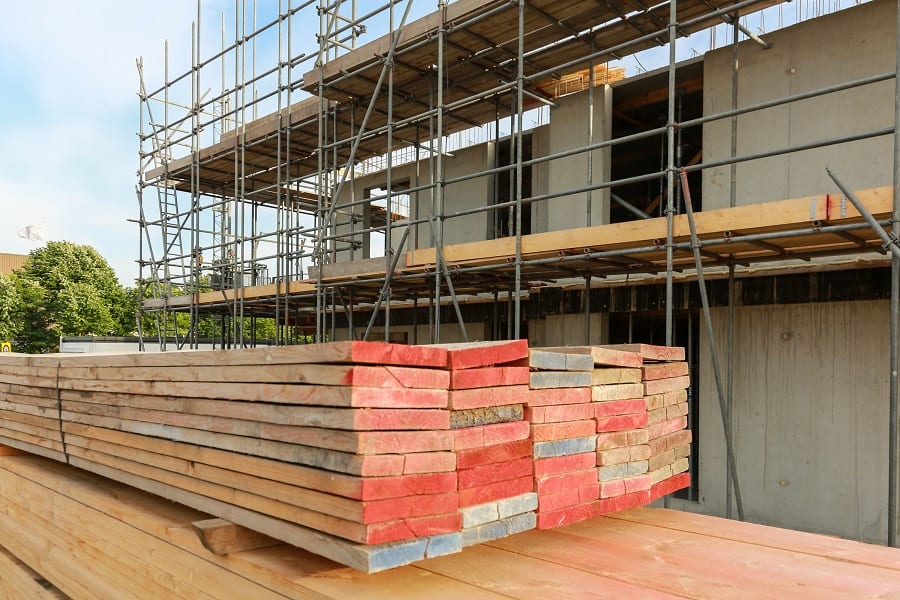
Keep the platform clean and stable
A tidy platform reduces trip hazards and improves worker movement. Mud, ice, snow, wet materials, loose tools, and scattered debris should be removed promptly. Clear work areas help workers stay balanced and focused while performing tasks at height.
Scaffold Safety Don’ts
Don’t overload the scaffold
One of the most common scaffold mistakes is placing too much weight on the platform. Excessive materials, stacked tools, or too many workers on one level can create dangerous stress on the structure. Always respect the scaffold’s rated capacity.
Don’t use damaged or incomplete scaffold
A scaffold should never be used if it has broken planks, missing guardrails, loose braces, damaged frames, or any other structural issue. Even minor damage can compromise safety. If something looks wrong, stop work and report it immediately.
Don’t climb unsafe parts of the frame
Workers should never climb cross braces, guardrails, or other scaffold parts that are not designed for access. Unsafe climbing increases the chance of slipping, losing balance, or damaging the structure.
Don’t leave tools or materials on the platform
At the end of the shift, materials and tools should be removed from the scaffold. Items left behind can become tripping hazards or fall from the platform, putting workers below at risk.
Don’t use boxes or ladders on top of scaffold
Placing ladders, boxes, or makeshift platforms on top of scaffold decking is extremely dangerous. This creates unstable working positions and increases fall risk. If additional height is needed, the scaffold should be adjusted properly.
Don’t work on slippery surfaces or in unsafe weather
Rain, strong wind, ice, snow, and mud all reduce traction and stability. Scaffold should not be used when weather conditions make the platform unsafe. Work should resume only after conditions improve and the platform is cleaned and inspected.
Don’t tamper with scaffold components
Workers should not remove guardrails, planks, ties, braces, or other components unless they are trained and authorized to do so. Unauthorized changes can weaken the scaffold and expose others to serious risk.
Best Practices for Scaffold Design and Setup
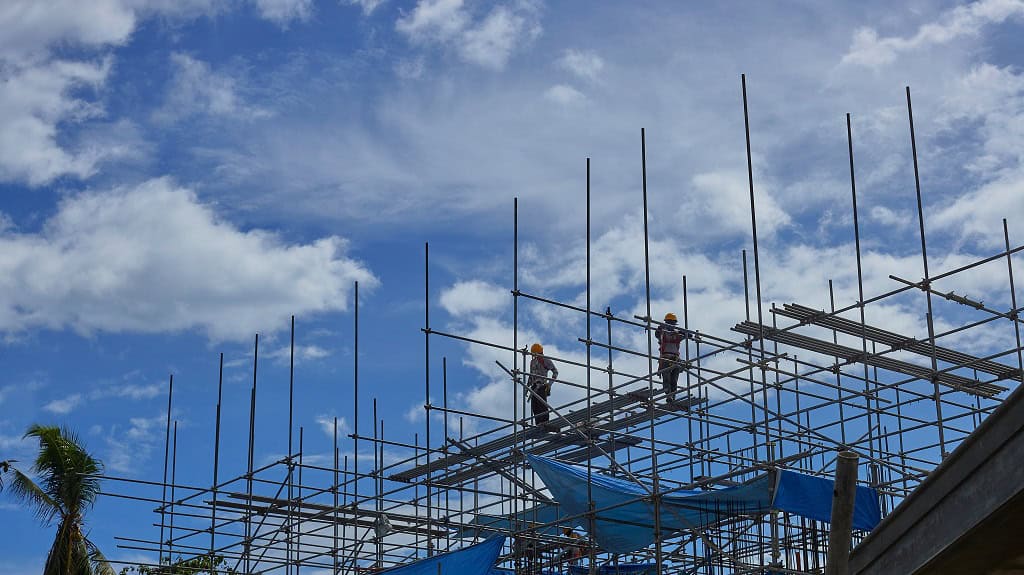
Scaffold safety starts long before workers step onto the platform. Good design and proper setup are the foundation of safe use.
Ground conditions should always be checked before erection begins. Uneven, soft, or unstable surfaces can affect the scaffold’s balance and load-bearing ability. Base plates, mud sills, and proper leveling methods should be used where necessary.
Bracing, tying, and anchoring are equally important. A scaffold must be stabilized properly to prevent swaying, shifting, or collapse. The design should match the structure, height, intended use, and expected loads.
The quality of planks and structural components also matters. Using compatible, undamaged parts helps ensure reliable performance. Platforms should be fully decked where required, and edge protection such as guardrails and toeboards should be installed when needed.
Finally, scaffold erection should be carried out by trained personnel who understand the design requirements, hazard controls, and safe assembly procedures. A scaffold that is well planned and properly built is far safer to use throughout the project.
Common Causes of Scaffold Accidents
Many scaffold accidents happen because basic safety rules are ignored. Understanding the common causes can help prevent similar incidents on site.
Inadequate training is a major issue. Workers who do not understand safe climbing, loading, or fall protection are more likely to make dangerous mistakes. Poor inspection routines also increase risk because defects may go unnoticed before work begins.
Overloading is another frequent cause of scaffold failure. When platforms hold more weight than they were designed for, components can bend, crack, or collapse. Missing planks, guardrails, or ties also create unsafe conditions that can lead to falls.
Unsafe access practices, such as climbing the outside of the frame or carrying materials by hand while climbing, can contribute to accidents. Weather is another important factor. Wet or windy conditions can quickly turn a stable work area into a hazardous one.
Most scaffold accidents are preventable. Strong training, daily inspection, proper supervision, and consistent site discipline make a major difference.
Conclusione
Scaffold safety in construction depends on more than just having the right equipment. It requires proper design, careful erection, regular inspection, trained workers, and responsible use every day on site. Following scaffold safety do’s and don’ts helps reduce falls, prevent structural failures, and create a safer working environment for everyone involved.
Whether the project is large or small, safe scaffold practices should always remain a priority. When workers understand the risks and follow the right procedures, scaffold becomes a more effective and dependable solution for working at height.
Domande frequenti
What is the most important rule in scaffold safety?
The most important rule is to use only a properly erected and inspected scaffold. Even good equipment becomes dangerous if it is damaged, overloaded, or used incorrectly.
How often should scaffold be inspected?
Scaffold should be inspected before each work shift and after any event that could affect its stability, such as severe weather, impact, or modification.
What PPE is required when working on scaffold?
Typical scaffold PPE includes hard hats, non-slip safety boots, and high-visibility clothing. Depending on the job and scaffold type, workers may also need fall protection equipment such as harnesses and lanyards.
Can workers use ladders on top of scaffold platforms?
No. Ladders, boxes, or other makeshift height boosters should not be placed on scaffold platforms because they create unstable and unsafe working conditions.
What should be checked before using scaffold?
Workers should check for damaged planks, missing guardrails, loose fittings, unstable foundations, slippery surfaces, proper access, and any signs that the scaffold has been altered or overloaded.
Who is allowed to erect or dismantle scaffold?
Scaffold should be erected, modified, and dismantled only by trained personnel under the supervision of a competent person.
What causes scaffold accidents most often?
Common causes include inadequate training, poor inspection, overloading, missing components, unsafe climbing, and working in bad weather.
Why is load capacity important for scaffold safety?
Load capacity is important because every scaffold is designed to support a limited amount of weight. Exceeding that limit can weaken the structure and increase the risk of collapse.