مقدمة
The Occupational Safety and Health Administration, or OSHA, plays a vital role in ensuring workplace safety across the United States. Its mission is straightforward: to keep workers safe and healthy on the job. Complying with OSHA regulations is not just a box to check; it’s a crucial responsibility for every employer and employee.
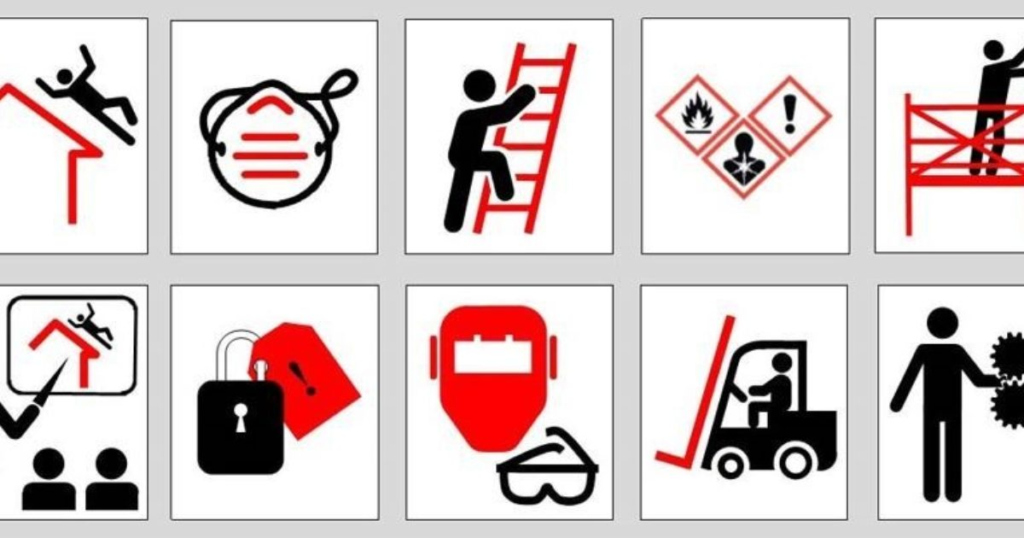
In 2024, OSHA found the top 5 big safety problems. First, there’s Fall Protection – it stops you from falling. Hazard Communication makes sure you know about dangerous stuff. Respiratory Protection guards your lungs from bad air. Ladder Requirements tell you how to use ladders safely. Scaffold Requirements are about safe scaffolding.
Understanding these OSHA violations is more than just a matter of regulations; it’s about protecting lives and well-being in the working world.
أكبر 5 انتهاكات لإدارة السلامة والصحة المهنية في عام 2024
الانتهاك 1: الحماية من السقوط
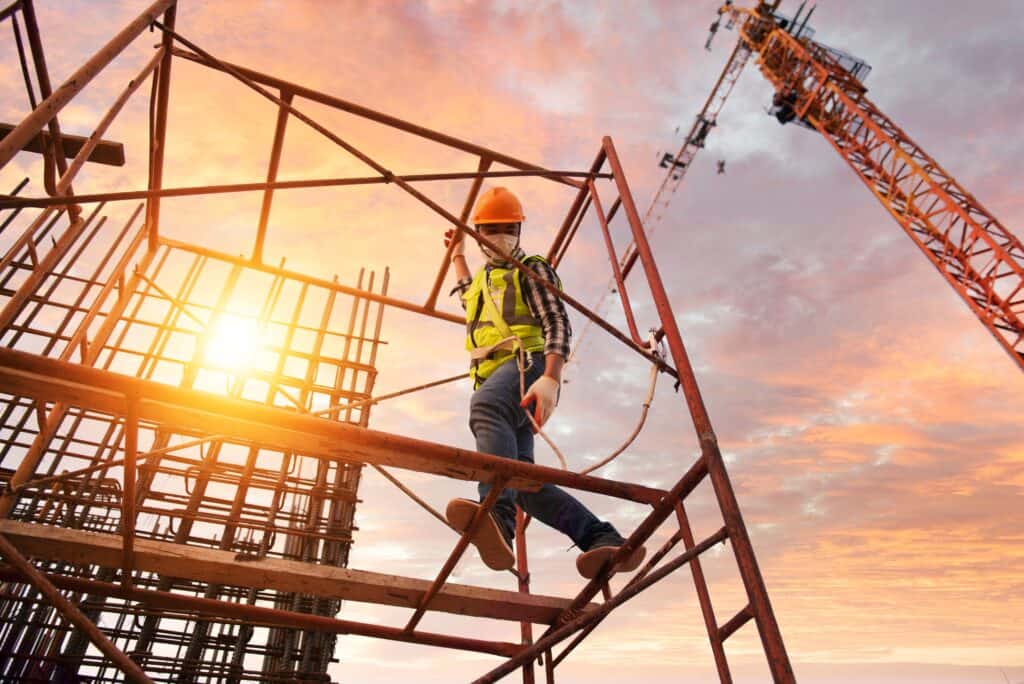
Falling from heights is a big problem at work. In 2024, OSHA said that not being safe against falls is a common issue. This violation means that you need to be safe when you work high up so you don’t fall. Falling can cause really bad injuries or even death.
OSHA has rules about this to keep people safe. If your job means you’re working up high, you must have protection to stop you from falling. This protection can be guardrails, nets, or something to catch you if you fall. Your boss should give you these things, and you should know how to use them safely.
People who work in construction, maintenance, or any job where you’re up high need to pay attention to this. It’s simple: the rules are here to make sure you don’t get hurt or worse when you’re working up high. Fall Protection isn’t just about following rules; it’s about saving lives. Your safety is in your hands. It’s important to know and follow these rules to avoid accidents and injuries from falling.
الانتهاك 2: إبلاغ المخاطر
Hazard Communication is about making sure people know about dangerous chemicals or stuff at their workplace. It’s crucial for safety. All dangerous stuff at work should have labels telling you what’s inside and how to use it safely. There should also be sheets that give you more information about the dangerous stuff, its dangers, and how to keep yourself safe.
الانتهاك 3: حماية الجهاز التنفسي
Respiratory protection is all about keeping your lungs safe from harmful things in the air. Whether it’s dust, gasses, fumes, or anything that can hurt your breathing, this violation is all about protecting your breathing health. To do this, you need to use the right masks or equipment to keep bad stuff out of your lungs when you’re around it.
Bosses should give you the right gear, and you need to use it the right way. The problem happens when workplaces don’t offer the right gear or when employees don’t use it when they should.
المخالفة رقم 4: متطلبات السلم
السلالم أدوات شائعة في العديد من أماكن العمل، واستخدامها بأمان أمر بالغ الأهمية. وتقتضي شروط استخدام السلالم تجنب الحوادث والإصابات. اتبع قواعد استخدام السلالم بأمان، بما في ذلك الحفاظ على ثباتك، وتجنب التمدد كثيرًا، ووضع السلالم على أرض آمنة. كما يجب فحص السلالم بحثًا عن أي مشاكل قبل استخدامها.
المخالفة رقم 5: متطلبات السقالة
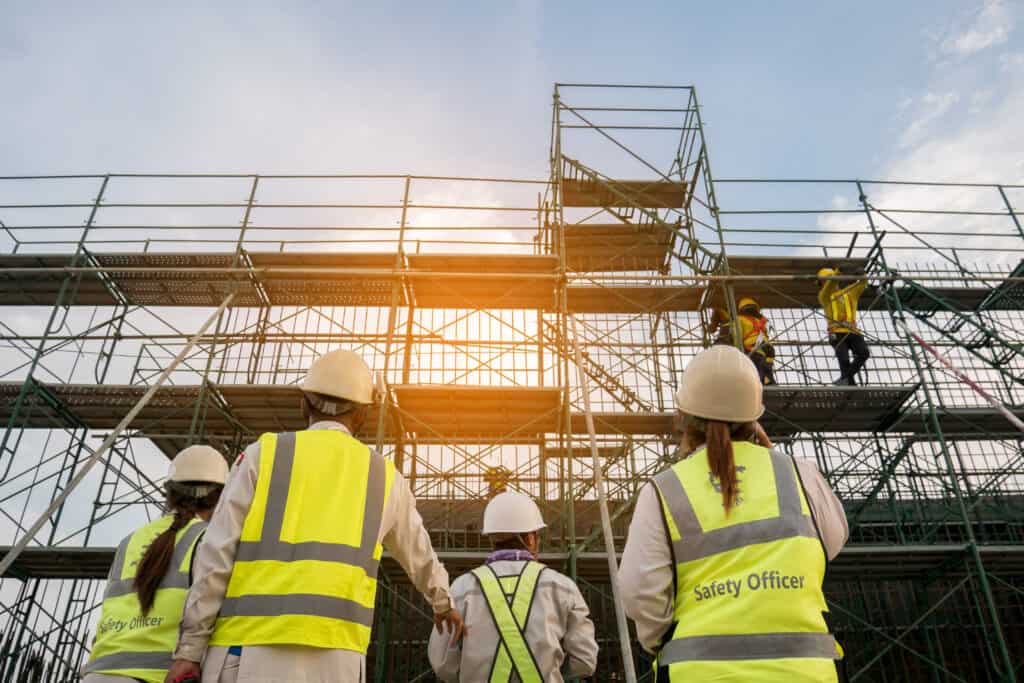
Let’s talk about the fifth most common OSHA violation in 2024, Scaffold Requirements. Scaffolds are like temporary work platforms you see at construction sites, repair projects, and various other workplaces. They help workers reach high places safely, but if they’re not set up or used correctly, they can be dangerous.
Scaffold Requirements are the safety rules for scaffolds. These rules aren’t complex; they’re there to protect workers when using or working near scaffolds. They cover how scaffolds are built, checked for safety, and how employees should use them correctly.
If you work in construction, painting, maintenance, or any job where you’re reaching heights using these temporary structures, these rules matter. Your safety is at stake. Employers follow Scaffold Requirements to make sure you stay safe when working up high.
By following these rules, you reduce the risk of accidents, and that’s what it’s all about making sure you and your coworkers can do your jobs safely. Safety first!
هل فريقك على علم؟
أهمية رفع مستوى الوعي
إن التأكد من أن فريقك على دراية بمخالفات إدارة السلامة والصحة المهنية (OSHA) أمر بالغ الأهمية للحفاظ على سلامة الجميع في العمل. فعندما يعرف فريقك القواعد وكيفية الحفاظ على سلامته، فإنه يمنع الحوادث والإصابات. كما أنه يساعد مكان عملك على الالتزام بالقانون وتجنب الغرامات. ببساطة، عندما يكون فريقك على دراية، فإنه يجعل مكان العمل أكثر أمانًا وأفضل للجميع.
استراتيجيات لضمان فهم أعضاء الفريق لانتهاكات إدارة السلامة والصحة المهنية
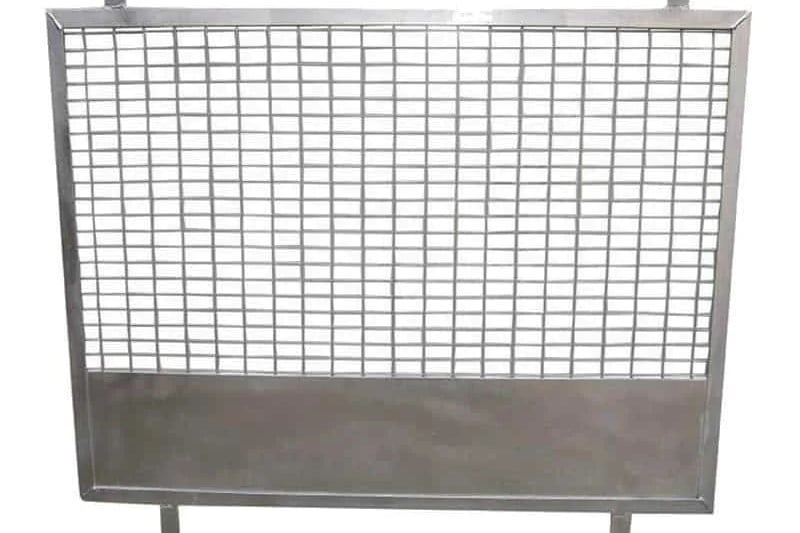
أنظمة حماية الحواف للسلامة من السقوط
لمساعدة فريقك على فهم سلامة السقوط، يمكنك استخدام ما يُسمى بأنظمة حماية الحواف. هذه الأنظمة بمثابة حواجز تمنع الناس من السقوط. يجب أن يتعلم فريقك كيفية استخدامها، ويمكن أن يُساعد التدريب المنتظم. تُسهّل الممارسة العملية والعروض التوضيحية عملية التعلم.

استخدام السقالات القياسية
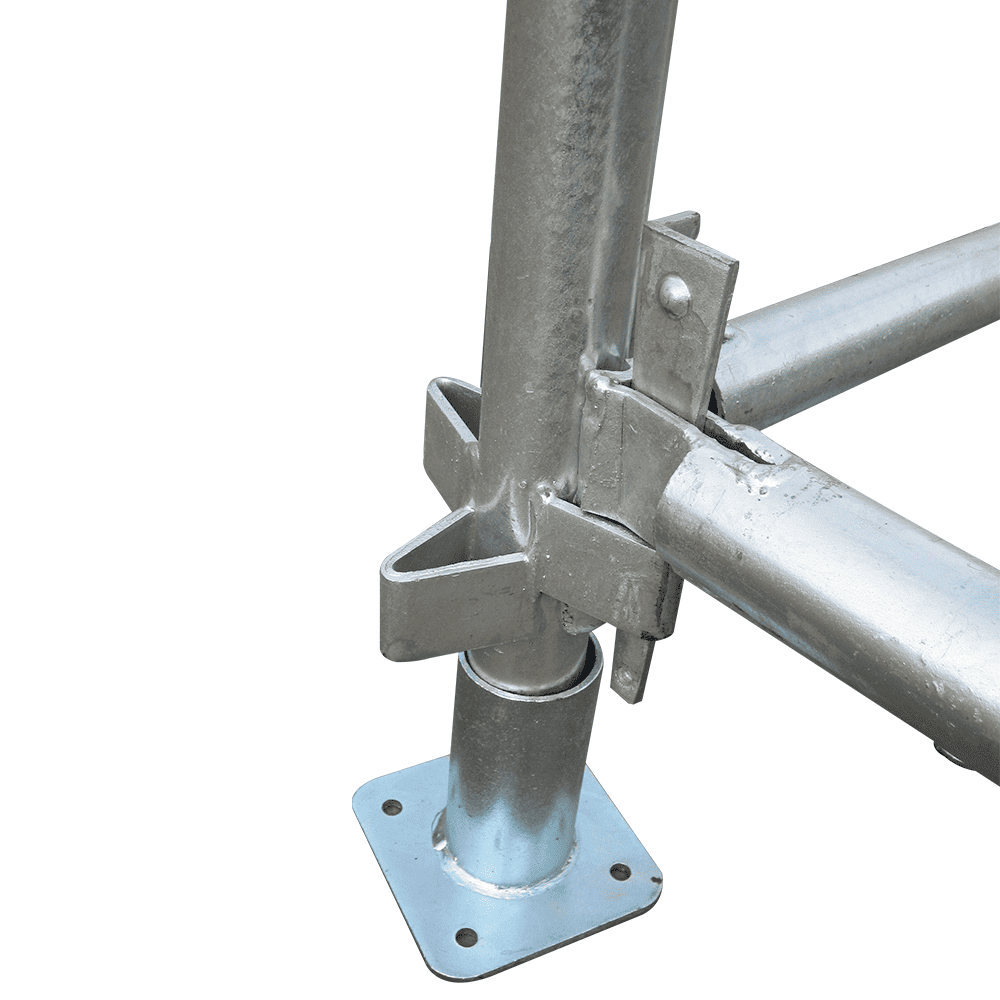
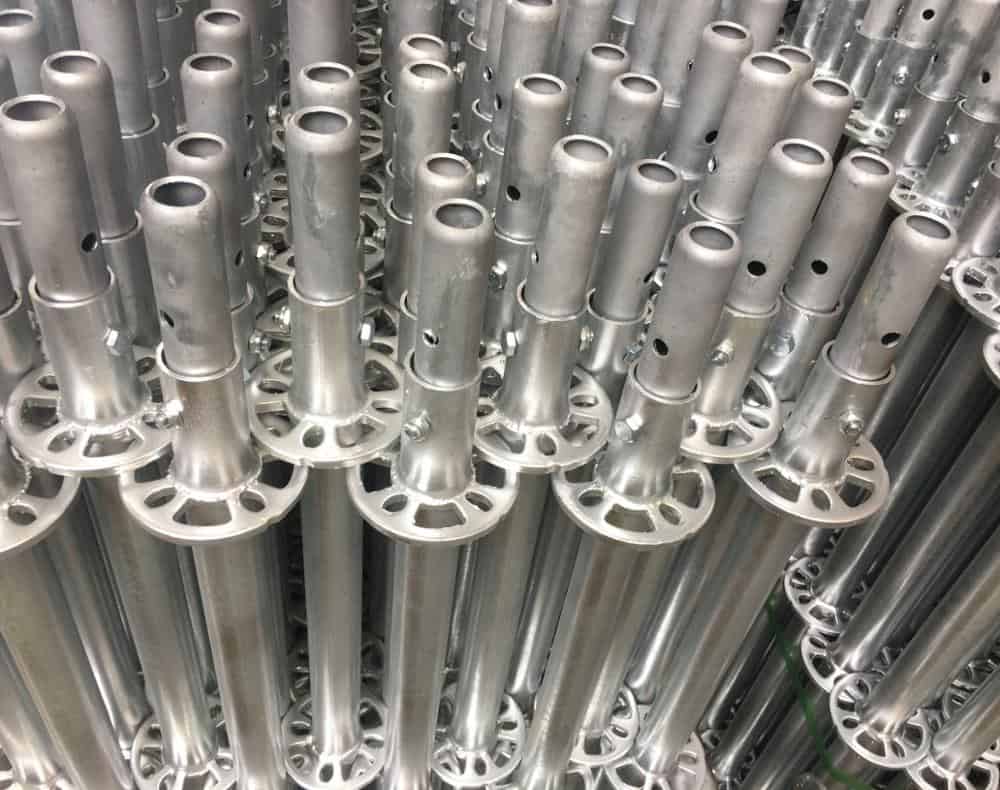
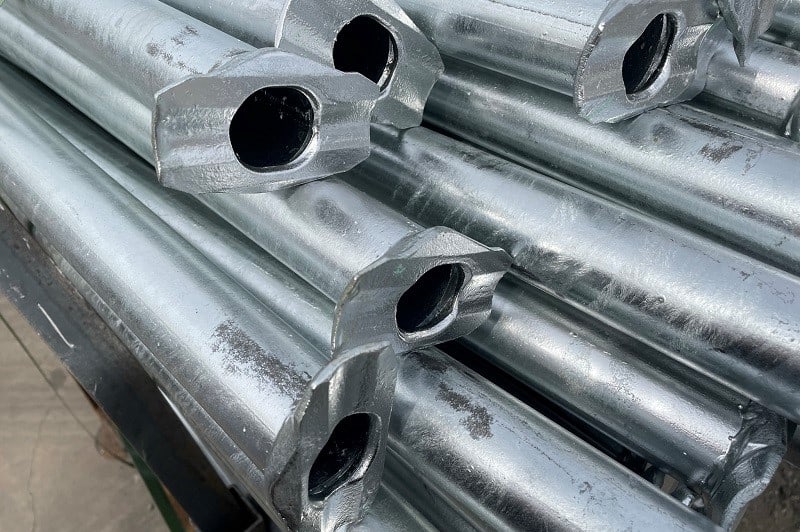
السقالات أداة شائعة الاستخدام في العمل. استخدامها الآمن بالغ الأهمية. تأكد من أن فريقك يعرف كيفية تركيب السقالات بشكل صحيح واستخدامها بأمان. درّبهم على بناء السقالات وفحصها. استخدم دائمًا حواجز الحماية واتبع قواعد السقالات. جهّز لهم إرشادات بسيطة للرجوع إليها.
اجتماعات السلامة الدورية
نجتمع بانتظام لمناقشة المخاطر والمشاكل وتجارب الفريق. هذه المحادثة المفتوحة تُسهم في اكتشاف مشاكل السلامة وحلّها مبكرًا.
التدريب على السلامة
تعلّم من المحترفين كيفية الحفاظ على سلامتك في العمل، خاصةً في الأماكن الخطرة والمرتفعات. التدريب عملي وسهل الفهم.
المساعدات البصرية
استخدم الصور والملصقات واللافتات لمساعدة فريقك على تذكر قواعد السلامة. الصور غالبًا ما تكون أفضل من الكلمات الطويلة. ضع هذه التذكيرات في مكان يسهل على الجميع رؤيتها.
خاتمة
في عام ٢٠٢٤، رصدنا أهم خمس قضايا تتعلق بالسلامة في مكان العمل: الحماية من السقوط، والتواصل بشأن المخاطر، وحماية الجهاز التنفسي، ومتطلبات السلالم، ومتطلبات السقالات. وهذه القضايا أساسية للحفاظ على سلامتنا في العمل.
We must take these concerns seriously. It’s not just about following rules; it’s about making sure no one gets hurt at work. We all need to work together to create a safe workplace.
So, let’s make OSHA compliance a top priority. This isn’t just about avoiding trouble; it’s about making our work environment safe for everyone. When we understand and follow these rules, we ensure that every worker goes home unharmed. Safety comes first, always.