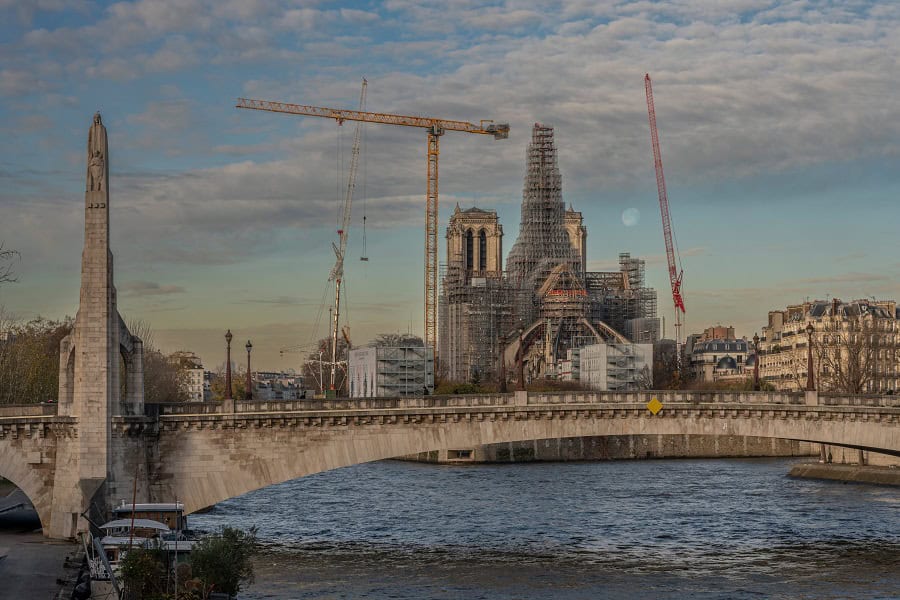
Scaffolding has been important in building for a long time. From old times to now, it’s helped make big things. Let’s look at how it’s changed over time.
Andamios en los inicios
En la antigüedad, la gente usaba materiales básicos para construir grandes estructuras. Estos se llamaban andamios. Los andamios eran esenciales para alcanzar alturas y trabajar con seguridad.
Imaginen la antigua Mesopotamia, donde construían estas estructuras altas e impresionantes llamadas zigurats. Necesitaban apilar ladrillos pesados uno encima del otro para construirlas. ¿Qué hacían? Construían marcos de madera, como plataformas, alrededor de la estructura. Esto les ayudaba a alcanzar más altura y trabajar sin caerse.
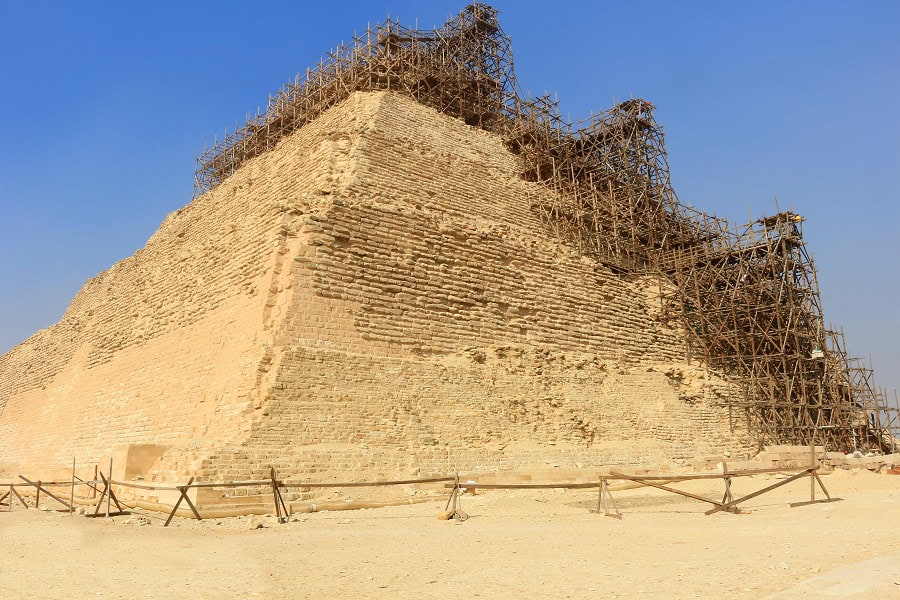
Then there’s Egypt, famous for its gigantic pyramids. Think about how massive those are! They used similar wooden scaffolds to build them, but they were more like ramps. They’d pile stones onto the ramps, making the pyramid taller and taller.
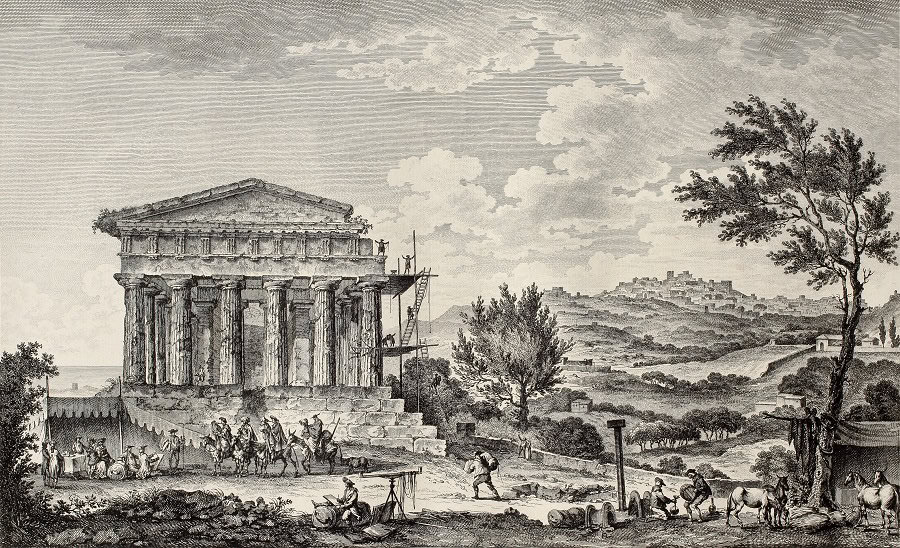
En cuanto a la antigua Grecia, construían todo tipo de cosas geniales, como templos y teatros. ¿Y adivina qué? También usaban andamios. Estos también eran de madera, al igual que en Mesopotamia y Egipto. Estos andamios eran plataformas y escaleras robustas que ayudaban a los trabajadores a realizar su trabajo en altura.
These early scaffolds weren’t anything fancy. They were simple but got the job done. People back then didn’t have fancy machines or metal structures like we do now. They just had to make do with what they had. But you know what’s cool? Even though these ancient scaffolds were basic, they laid the foundation for what came later. Without them, we might not have the incredible structures we see today.
Andamios en la Edad Media
In medieval times, when knights and castles were a thing, scaffolding was super important for building big, tall stuff like cathedrals and castles. Let’s take a closer look at how they did it back then.
Imagina caminar por una ciudad medieval y ver esta enorme catedral elevándose hacia el cielo. ¿Cómo construyeron algo tan grandioso? Pues tuvieron que usar unos andamios muy ingeniosos.
Back in those days, they didn’t have fancy metal scaffolds like we do now. Instead, they used sturdy wood. They’d put together these wooden frames, kind of like platforms, all around the building they were constructing. These frames were supported by poles and ladders, reaching way up high.
Los trabajadores subían por estos andamios para acceder a los diferentes niveles del edificio. ¿Te imaginas subir por una de esas escaleras destartaladas? ¡Debió ser toda una aventura!
But here’s the thing: those medieval builders were pretty smart. They knew how to make their scaffolds strong and sturdy, even without all the modern technology we have today. They had to because building something as massive as a cathedral required much work up high.
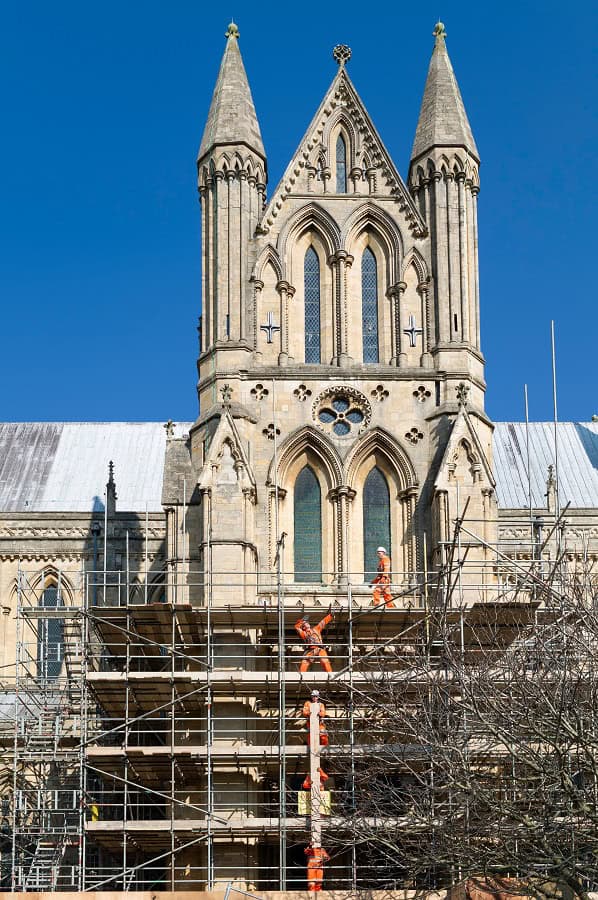
Now, let’s talk about cathedrals. These majestic buildings were often huge, with tall spires reaching the heavens. To build something like that, they needed scaffolds supporting heavy materials and many workers.
Medieval scaffolds were also used for other big projects, like castles. Imagine building a castle without proper scaffolding! It would’ve been nearly impossible. So, those medieval builders relied on their trusty wooden scaffolds to get the job done.
Building with wooden scaffolds wasn’t as easy as snapping together metal tubes as we do today. But those medieval builders were tough and resourceful. They knew how to use what they had to build incredible structures that still amaze us today.
Así que, la próxima vez que veas una catedral o un castillo medieval, piensa en los andamios que lo hicieron posible. Esas estructuras de madera pueden parecer sencillas comparadas con los andamios modernos, pero eran la columna vertebral de los proyectos de construcción medievales.
Andamiaje en la sociedad moderna
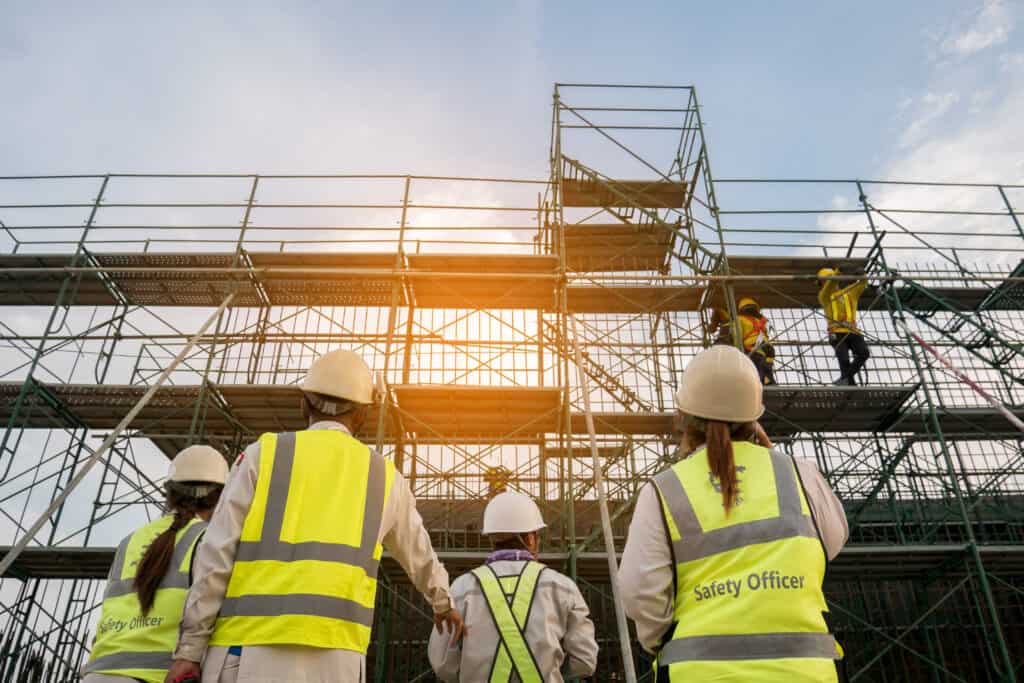
In today’s world, scaffolding is super important for building stuff. Unlike the olden days when they used wood, we now have strong metal scaffolds that make things easier. These metal scaffolds are tough and can handle heavy stuff without any problems. Plus, they’re easy to assemble, so workers can start their tasks quickly.
What’s cool about modern scaffolding is that it can be customized for different jobs. Whether it’s a tall skyscraper or a small house, there’s a scaffold that fits just right. But wait, there’s more! Technology has also made scaffolding better. With 3D models, workers can see what the scaffold will look like before building it. This helps them plan better and avoid mistakes.
Another great thing about modern scaffolding is that it’s easy to move around. Workers can take it apart and assemble it in a different spot without any hassle.
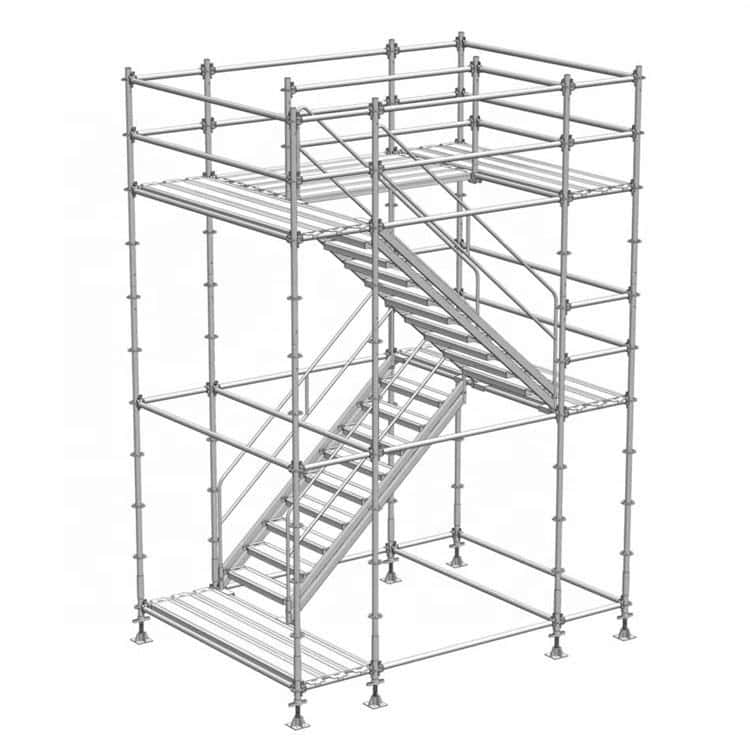
Andamios Ringlock
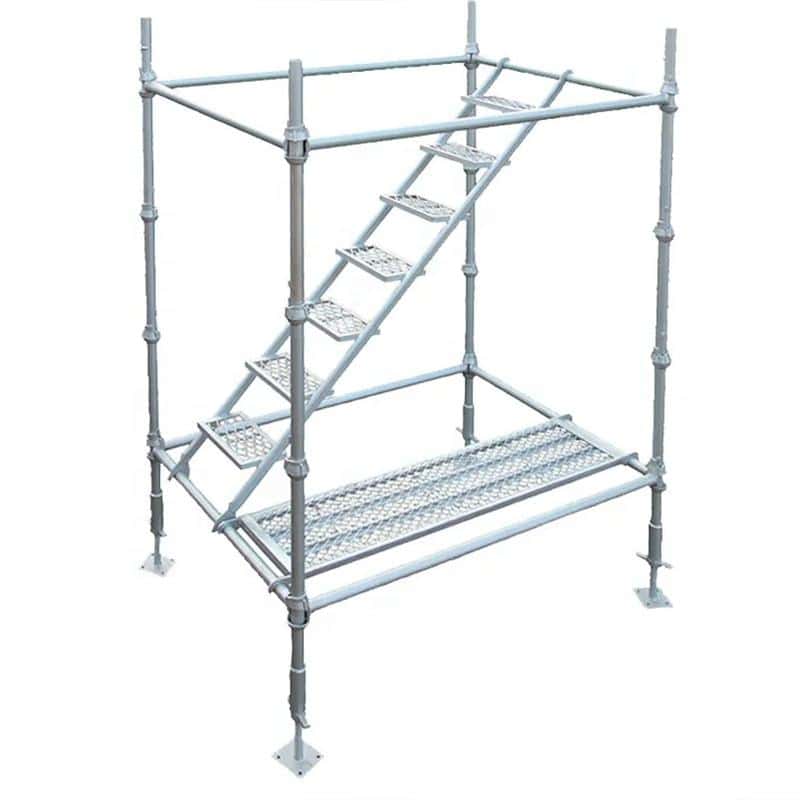
Andamios Cuplock
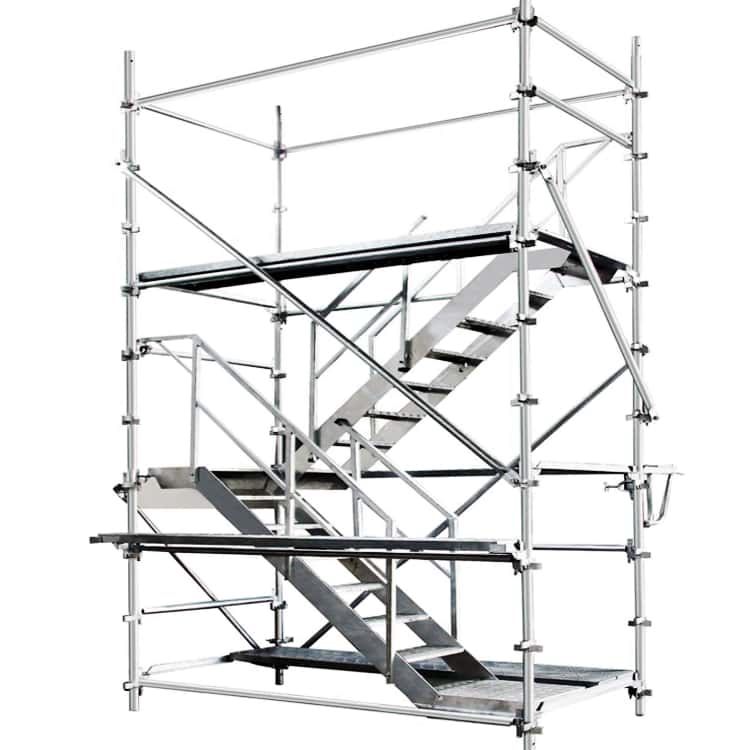
Andamios kwikstage