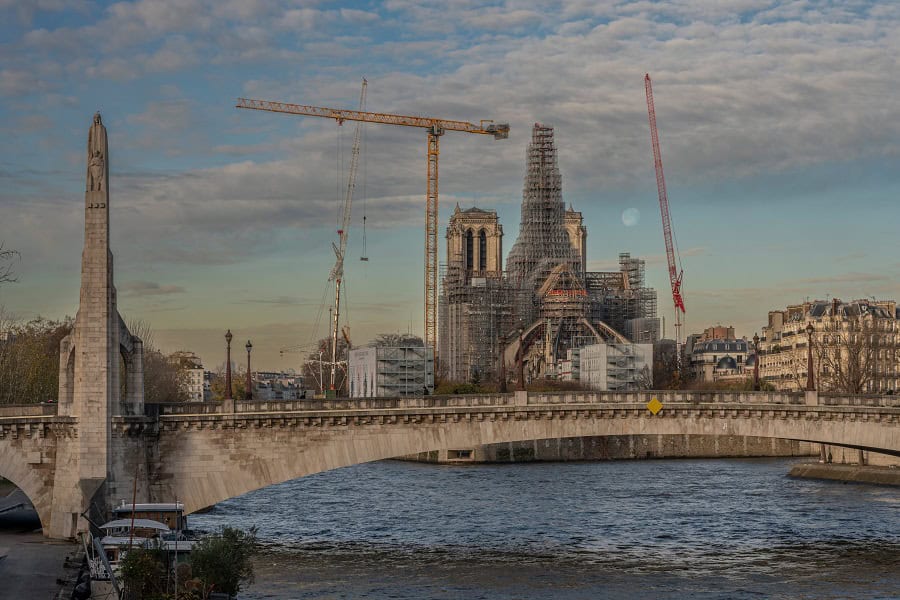
Scaffolding has been important in building for a long time. From old times to now, it’s helped make big things. Let’s look at how it’s changed over time.
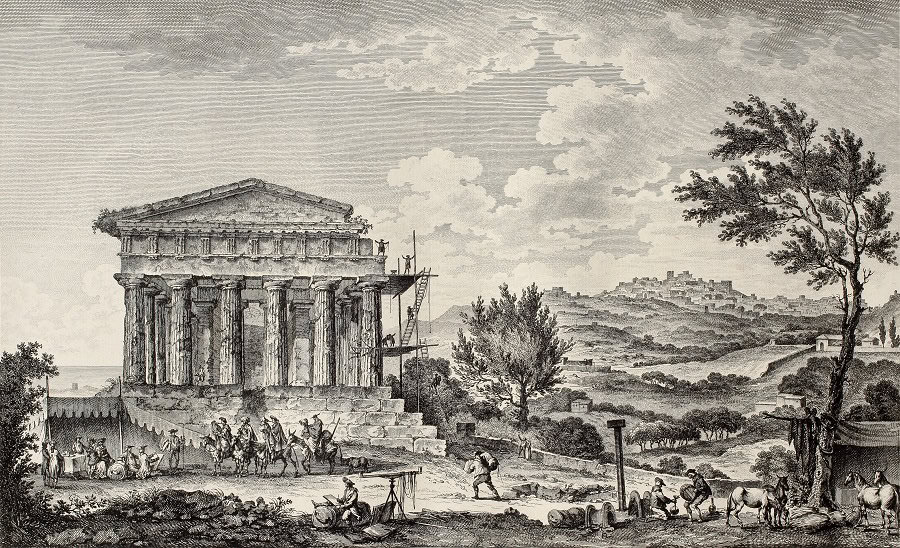
Impalcature in fase iniziale
Nell'antichità, come in tempi passati, le persone utilizzavano materiali di base per costruire grandi strutture. Questi strumenti erano chiamati impalcature. Le impalcature erano essenziali per raggiungere luoghi elevati e lavorare in sicurezza.
Immaginate l'antica Mesopotamia, dove costruivano queste alte e imponenti strutture chiamate ziggurat. Per costruirle, dovevano impilare pesanti mattoni uno sopra l'altro. Quindi, cosa facevano? Costruivano queste strutture di legno, una sorta di piattaforme, attorno alla struttura. Questo li aiutava a raggiungere altezze maggiori e a lavorare senza cadere.
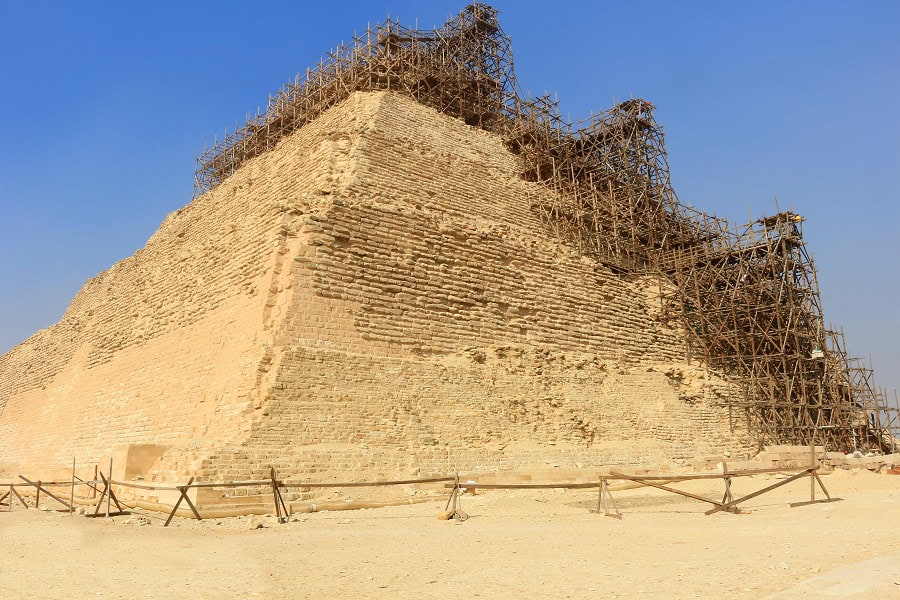
Then there’s Egypt, famous for its gigantic pyramids. Think about how massive those are! They used similar wooden scaffolds to build them, but they were more like ramps. They’d pile stones onto the ramps, making the pyramid taller and taller.
Per quanto riguarda l'antica Grecia, costruivano ogni sorta di cose interessanti, come templi e teatri. E indovinate un po'? Usavano anche le impalcature. Anche queste erano fatte di legno, proprio come in Mesopotamia e in Egitto. Queste impalcature erano robuste piattaforme e scale che aiutavano i lavoratori a svolgere il loro lavoro in quota.
These early scaffolds weren’t anything fancy. They were simple but got the job done. People back then didn’t have fancy machines or metal structures like we do now. They just had to make do with what they had. But you know what’s cool? Even though these ancient scaffolds were basic, they laid the foundation for what came later. Without them, we might not have the incredible structures we see today.
Impalcature nel Medioevo
In medieval times, when knights and castles were a thing, scaffolding was super important for building big, tall stuff like cathedrals and castles. Let’s take a closer look at how they did it back then.
Immaginate di passeggiare per una città medievale e di vedere questa imponente cattedrale che si erge verso il cielo. Come hanno fatto a costruire qualcosa di così grandioso? Beh, hanno dovuto usare delle impalcature davvero ingegnose.
Back in those days, they didn’t have fancy metal scaffolds like we do now. Instead, they used sturdy wood. They’d put together these wooden frames, kind of like platforms, all around the building they were constructing. These frames were supported by poles and ladders, reaching way up high.
Gli operai si arrampicavano su queste impalcature per raggiungere i diversi piani dell'edificio. Riuscite a immaginare cosa significhi salire su una di quelle scale traballanti? Dev'essere stata una vera avventura!
But here’s the thing: those medieval builders were pretty smart. They knew how to make their scaffolds strong and sturdy, even without all the modern technology we have today. They had to because building something as massive as a cathedral required much work up high.
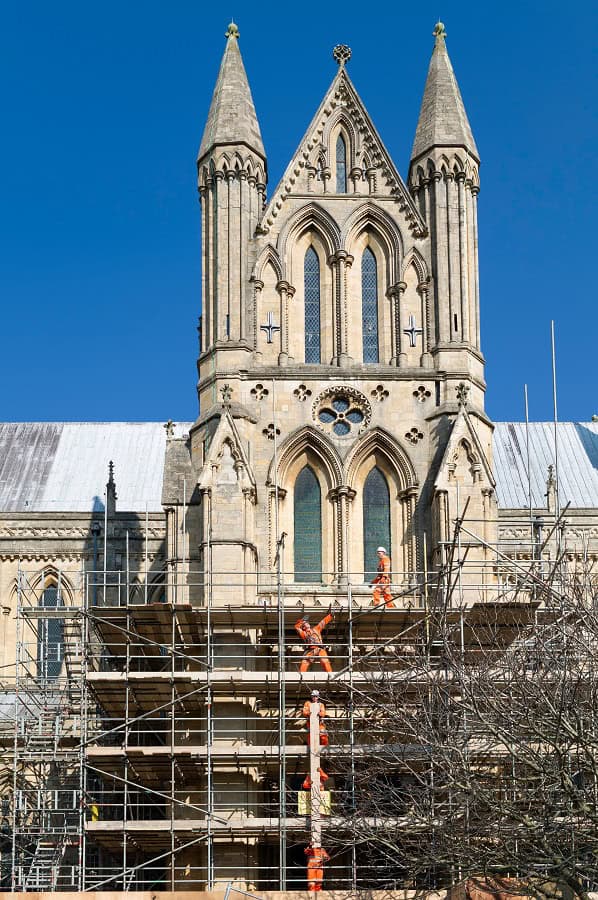
Now, let’s talk about cathedrals. These majestic buildings were often huge, with tall spires reaching the heavens. To build something like that, they needed scaffolds supporting heavy materials and many workers.
Medieval scaffolds were also used for other big projects, like castles. Imagine building a castle without proper scaffolding! It would’ve been nearly impossible. So, those medieval builders relied on their trusty wooden scaffolds to get the job done.
Building with wooden scaffolds wasn’t as easy as snapping together metal tubes as we do today. But those medieval builders were tough and resourceful. They knew how to use what they had to build incredible structures that still amaze us today.
Quindi, la prossima volta che vedrete una cattedrale o un castello medievale, pensate alle impalcature che li hanno resi possibili. Quelle strutture in legno possono sembrare semplici rispetto alle impalcature moderne, ma erano la spina dorsale dei progetti edilizi medievali.
Le impalcature nella società moderna
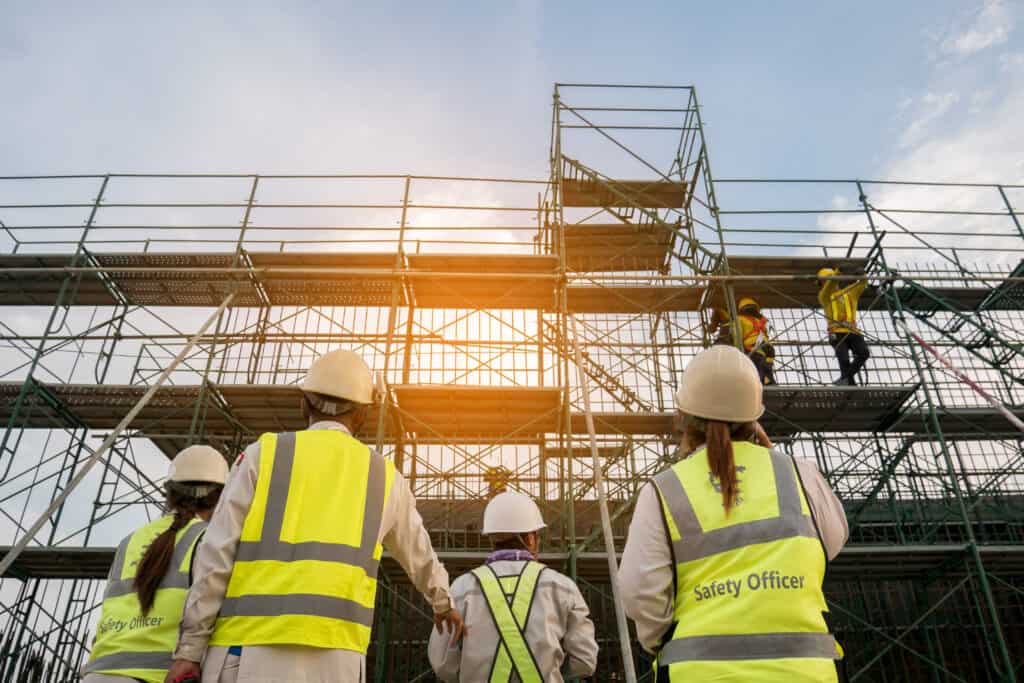
In today’s world, scaffolding is super important for building stuff. Unlike the olden days when they used wood, we now have strong metal scaffolds that make things easier. These metal scaffolds are tough and can handle heavy stuff without any problems. Plus, they’re easy to assemble, so workers can start their tasks quickly.
What’s cool about modern scaffolding is that it can be customized for different jobs. Whether it’s a tall skyscraper or a small house, there’s a scaffold that fits just right. But wait, there’s more! Technology has also made scaffolding better. With 3D models, workers can see what the scaffold will look like before building it. This helps them plan better and avoid mistakes.
Another great thing about modern scaffolding is that it’s easy to move around. Workers can take it apart and assemble it in a different spot without any hassle.
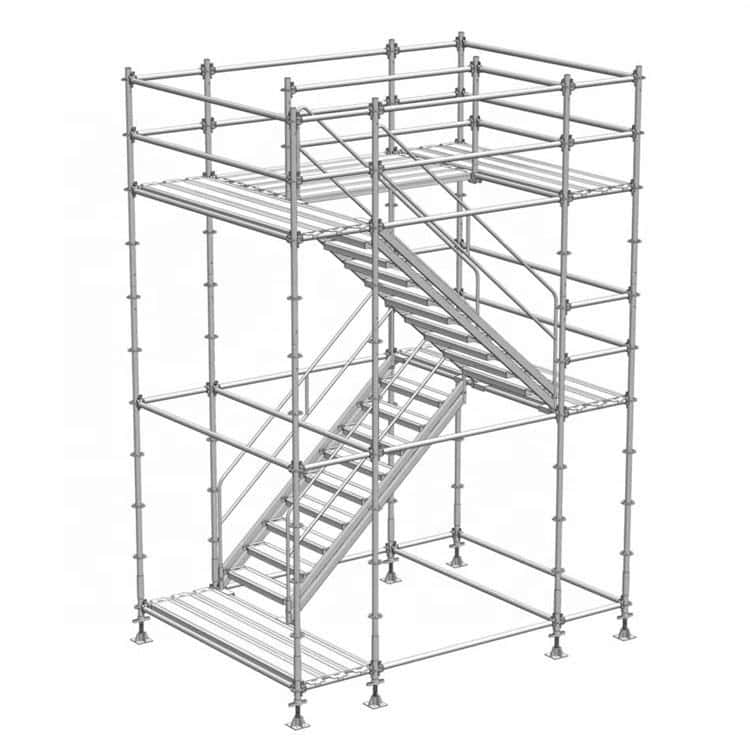
Ponteggi Ringlock
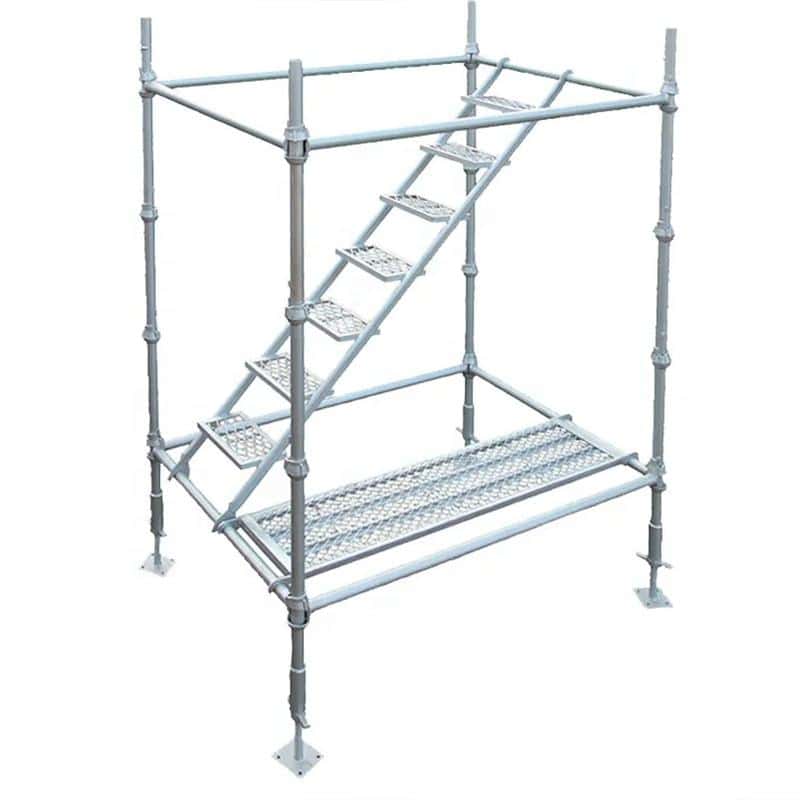
Ponteggi Cuplock
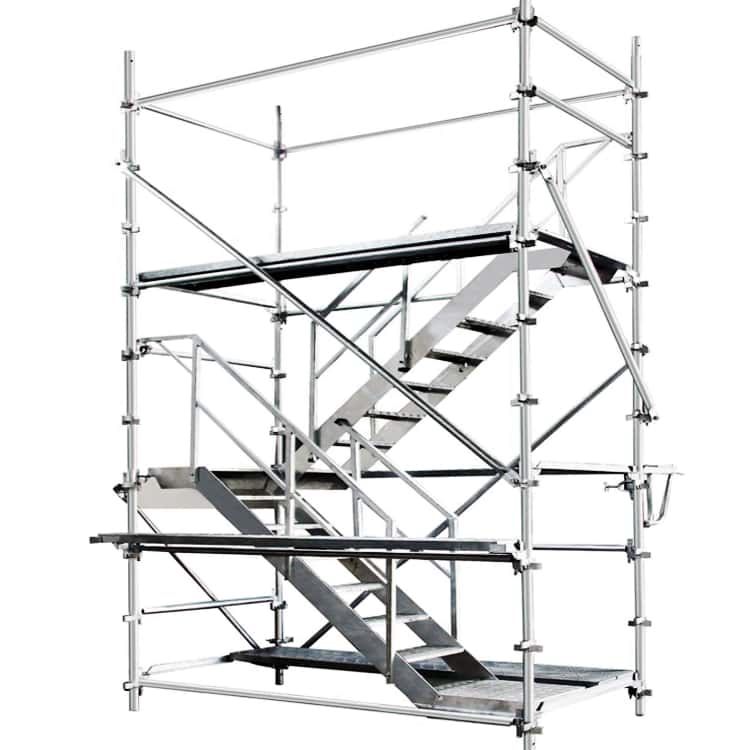
kwikstage Impalcature