
Introduction
Two scaffolding systems may look almost identical, but that does not mean they are designed for the same working load.
For contractors, rental companies and scaffolding distributors, understanding scaffold load classes helps answer a practical question: is this scaffold suitable for the work that will actually take place on the platform?
EN 12811-1 provides performance requirements and general design rules for access and working scaffolds. The current British adoption, BS EN 12811-1:2003, remains listed by BSI as current.
One important part of the standard is its six scaffold load classes.
But choosing a scaffold is not as simple as finding a load class number in a catalogue.
The number needs to be understood together with the workers, materials, equipment, scaffold dimensions and overall scaffold configuration.
This guide explains what the six scaffold load classes mean and what buyers should check before selecting a scaffolding system.
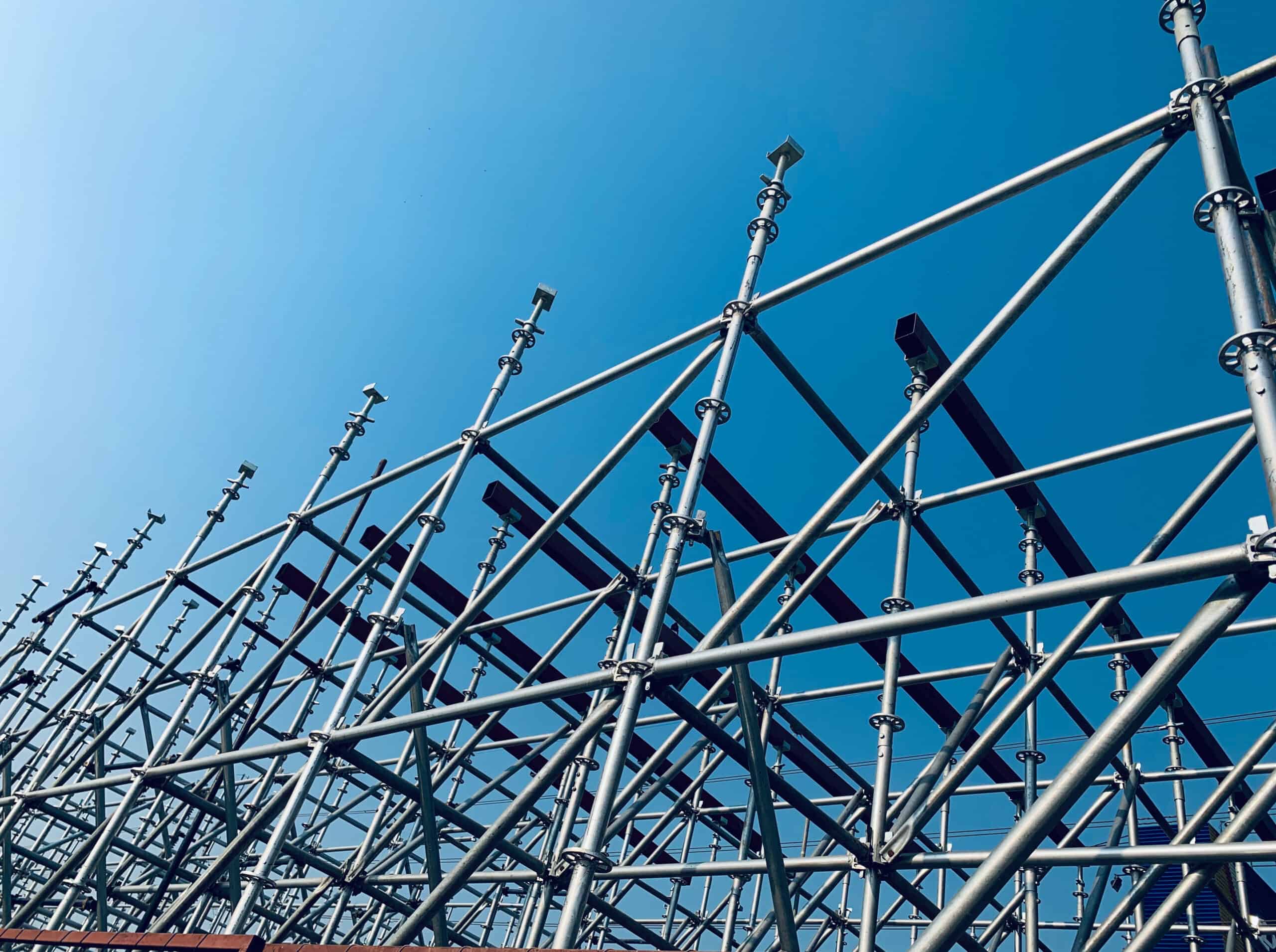
What Is a Scaffold Load Class?
A scaffold load class indicates the service loading that a working area is designed to support.
That working load may include:
- Workers
- Hand tools
- Power tools
- Construction materials
- Equipment used on the platform
- Other loads associated with the work being carried out
For example, a scaffold used mainly for inspection has very different loading requirements from a platform where workers are handling blocks, stone or other heavy construction materials.
This is why EN 12811 divides working scaffolds into different load classes.
Load Class Is About the Intended Working Load
The first thing buyers should understand is that load class is connected to how the scaffold will be used.
A platform carrying two workers with light tools does not experience the same loading as one carrying workers plus significant quantities of construction material.
Before selecting a load class, the expected activity on the working platform should therefore be considered.
Useful questions include:
- How many people will normally work on one level?
- What tools will they use?
- Will materials be stored temporarily on the platform?
- How heavy are those materials?
- Will loads be spread across the working area or concentrated in one location?
- Will multiple working levels be loaded at the same time?
Scaffold Load Class Is Not the Same as Total Scaffold Capacity
This is an important distinction.
A load class such as 2.00 kN/m² refers to loading requirements for the working area. It should not automatically be interpreted as:
“Every part of this complete scaffold structure can carry 200 kg/m² at the same time.”
The actual capacity of a scaffold depends on the complete configuration, including:
- Scaffold height
- Bay length
- Bay width
- Number of working levels
- Normes
- Grands livres
- Transoms
- Plateformes
- Bracing
- Ties and anchors
- Base conditions
- Loading arrangement
The standard itself considers different loading cases rather than treating the load-class UDL as the only load acting on a scaffold.
For buyers, this means a headline load figure should always be considered together with the configuration to which it applies.
EN 12811 Scaffold Load Classes at a Glance
EN 12811-1 defines six load classes for working scaffolds.
| Load Class | Uniformly Distributed Load | Approx. Equivalent* | General Load Level |
| Class 1 | 0.75 kN/m² | ≈ 75 kg/m² | Very light |
| Class 2 | 1.50 kN/m² | ≈ 150 kg/m² | Light |
| Class 3 | 2.00 kN/m² | ≈ 200 kg/m² | General / medium |
| Class 4 | 3.00 kN/m² | ≈ 300 kg/m² | Heavy |
| Class 5 | 4.50 kN/m² | ≈ 450 kg/m² | Very heavy |
| Class 6 | 6.00 kN/m² | ≈ 600 kg/m² | Special / heavy-duty |
These six UDL values are specified in EN 12811-1 Table 3.
*The kg/m² values are approximate conversions included only to make the figures easier to understand. Structural calculations and engineering documents should use the specified engineering units.
Another important point is that EN 12811 does not simply assign one construction trade to each class.
Typical applications can help buyers understand the differences, but the correct class should ultimately be based on the actual loading and scaffold design.
Understanding Load Classes 1 to 6
Load Class 1 — 0.75 kN/m²
Class 1 is the lowest load class defined by EN 12811.
It is generally associated with very light access or inspection-type applications where the working platform is not intended to carry significant construction materials.
An important limitation is that material storage is not covered by the Class 1 service load.
There is also a detail that is sometimes missed when discussing Class 1 scaffolds.
For a Class 1 working scaffold, individual platform units must still be capable of supporting Class 2 service loading. However, this does not mean that the entire scaffold structure becomes a Class 2 scaffold.
This distinction is useful when reviewing platform specifications and scaffold documentation.
Typical light applications may include:
- Inspection
- Access
- Checking completed work
- Very light cleaning work
These are practical examples rather than construction activities directly assigned to Class 1 by EN 12811.
Load Class 2 — 1.50 kN/m²
Class 2 provides a higher working load of 1.50 kN/m².
It is commonly associated with lighter construction and maintenance work where workers may need tools and small amounts of materials, but significant material storage is not expected.
Typical examples may include:
- Painting
- Cleaning
- Inspection
- Light maintenance
- Some finishing work
Industry guidance commonly associates Class 2 with lighter working activities of this type.
The important point is not the name of the activity itself.
The actual number of workers, equipment and materials on the scaffold still needs to be considered.
Load Class 3 — 2.00 kN/m²
Class 3 has a uniformly distributed load of 2.00 kN/m².
It is widely associated with general-purpose construction scaffolding where workers need to carry out normal building work while also having a reasonable quantity of tools and materials available.
Typical applications may include:
- General building work
- Rendering
- Plastering
- Façade work
- Entretien
- Some brickwork-related activities
Industry guidance frequently describes Class 3 as a general-purpose scaffold class.
For buyers, however, the phrase general purpose should not be treated as permission to put any amount of material on the platform.
For example, the loading can change quickly when workers begin stacking:
- Blocks
- Bricks
- Bags of material
- Stone
- Cladding
- Other heavy products
This is why the actual work process needs to be understood.
Load Classes 4 to 6 — Higher Working and Material Loads
The upper three classes provide significantly higher uniformly distributed loads:
Class 4: 3.00 kN/m²
Class 5: 4.50 kN/m²
Class 6: 6.00 kN/m²
These classes are relevant where heavier materials, equipment or demanding working conditions need to be considered.
Class 4 is commonly associated in industry guidance with heavier masonry, blockwork and heavy cladding operations.
Classes 5 and 6 move further into heavy-duty and special applications.
But there is an important reason buyers should not simply look at the UDL figures.
For Classes 4, 5 and 6, EN 12811 also specifies partial area loading requirements:
| Load Class | UDL q1 | Partial Area Load q2 |
| Class 4 | 3.00 kN/m² | 5.00 kN/m² |
| Class 5 | 4.50 kN/m² | 7.50 kN/m² |
| Class 6 | 6.00 kN/m² | 10.00 kN/m² |
EN 12811 requires platforms in these classes to withstand higher loading over part of the working area, with the applicable partial-area factor also defined by the standard.
Why does this matter?
Because construction materials are rarely distributed perfectly across the whole platform.
Workers may stack materials in one part of a bay.
Equipment may remain in one location.
Heavy components may be placed close together before installation.
The local effect can therefore be much greater than a simple average load across the complete working area.

Uniform Load Is Only Part of the Story
A common mistake when discussing scaffold capacity is to focus only on the kN/m² figure.
EN 12811 considers several loading conditions on the working area.
These include:
- Uniformly distributed loads
- Concentrated loads
- Partial-area loads for higher classes
The different service load cases are considered separately under the standard.
Uniformly Distributed Load
Uniformly distributed load, or UDL, assumes the load is spread over the working area.
For example:
A Class 3 working area has a specified UDL of 2.00 kN/m².
This is the number most commonly used when people talk about scaffold load classes.
But real construction sites do not always load a platform evenly.
That is where the other load cases become important.
Concentrated Loads
Imagine placing a heavy item on a relatively small section of the platform.
The total weight may be acceptable when averaged across an entire scaffold bay, but the local loading on one deck or platform component can still be significant.
EN 12811 therefore also contains requirements for concentrated loads acting over defined areas, including 500 × 500 mm and 200 × 200 mm areas.
This is particularly relevant when equipment or construction materials are placed in specific locations rather than distributed evenly.
Partial Area Loads
Partial-area loading is particularly relevant to Classes 4, 5 and 6.
Instead of assuming the same load across the entire working platform, the standard checks a higher load over part of the working area.
This better reflects situations where heavy materials are concentrated in one section of a scaffold bay.
For a buyer, the practical lesson is simple:
500 kg spread evenly over a working area and 500 kg stacked in one corner are not the same loading condition.
This is one reason why a simple “kg per square metre” comparison does not tell the complete story.
What Determines the Scaffold Load Class You Actually Need?
The correct load class should come from the way the scaffold will actually be used.
Several factors should be considered.
1. Type of Work
Start with the activity taking place on the scaffold.
Examples include:
- Inspection
- Painting
- Façade work
- Bricklaying
- Masonry
- Entretien
- Installation work
- Maintenance industrielle
- Heavy construction
Different activities create different combinations of workers, tools and materials.
2. Number of Workers
The number of people using a scaffold matters.
One worker carrying out an inspection creates a very different working load from a team performing installation or construction work on the same platform.
Buyers should also consider whether workers may gather in the same bay rather than being distributed across the scaffold.
3. Tools and Equipment
Tools are sometimes overlooked when estimating scaffold loads.
Depending on the project, the working platform may carry:
- Hand tools
- Power tools
- Welding equipment
- Buckets
- Hoses
- Wheelbarrows
- Small machinery
- Installation equipment
The total load should reflect how the scaffold is actually used.
4. Materials on the Platform
This is often where scaffold loading increases quickly.
Construction materials may include:
- Bricks
- Blocks
- Bags of mortar
- Stone
- Cladding panels
- Pipes
- Insulation
- Steel components
- Other building products
If significant quantities are being stored or handled on the working platform, a light-duty scaffold classification may no longer be appropriate.
5. How the Load Is Distributed
Total weight alone is not enough.
Consider two situations.
Situation A
500 kg of material is distributed across several scaffold bays.
Situation B
The same 500 kg is stacked in one small area.
The total weight is the same.
The structural effect is not.
This is why concentrated and partial-area loading should not be ignored when evaluating scaffold capacity.
A Simple Example: Class 3 vs Class 4
Consider a façade project.
Scenario A: General Façade Work
Workers are using the scaffold for:
- Access
- Installation
- Hand tools
- Light equipment
- Limited quantities of working materials
A Class 3 loading condition may be suitable, depending on the actual scaffold configuration, design and local requirements.
Now imagine that the work changes.
Scenario B: Heavier Material Handling
The same scaffold is now expected to carry:
- Larger quantities of blocks
- Heavy cladding materials
- More equipment
- Materials concentrated in individual bays
Even though the scaffold looks exactly the same from the ground, the loading requirement has changed.
Class 3 assumptions may no longer be suitable.
A heavier load class or a project-specific configuration may need to be considered.
This illustrates an important principle:
The correct scaffold load class should follow the work being carried out—not simply the type of scaffold being purchased.
Load Class Does Not Tell You Everything About a Scaffold
Load class is important, but it is only one part of scaffold selection.
The same components can behave differently when the overall scaffold configuration changes.
Buyers should also consider the following factors.
Scaffold Height
As scaffold height increases, the structural requirements of the complete scaffold become more important.
The effect of wind, ties, bracing and loads transmitted through the standards must all be considered.
Bay Length and Width
Changing the dimensions of a bay changes the structural arrangement.
A longer bay may place greater demand on:
- Grands livres
- Transoms
- Plateformes
- Other horizontal components
This is why buyers should be careful when a catalogue gives one load figure without identifying the bay dimensions to which it applies.
Platform Type
Not every scaffold platform has the same structural capacity.
The performance of:
- Steel planks
- Aluminum decks
- Timber boards
- Composite decks
can differ.
The support spacing and platform configuration also matter.
Bracing
Diagonal bracing helps the scaffold resist movement and maintain stability.
A scaffold should therefore be considered as a complete structural system rather than a collection of individual components.
Ties and Anchors
Many working scaffolds rely on an adjacent structure for stability, which is part of the scope addressed by EN 12811-1.
Tie layout can be affected by:
- Scaffold height
- Scaffold geometry
- Wind
- Façade conditions
- Sheeting
- Netting
- Other project-specific conditions
A high platform load rating does not remove the need for an appropriate tie arrangement.
Wind Loads
EN 12811 does not only consider workers and materials.
Its loading framework also includes permanent loads and variable actions such as service loads and wind, with snow and ice considered where appropriate.
Wind becomes particularly important as scaffold height and exposed area increase.

Scaffold Sheeting and Netting
Adding scaffold sheeting or netting can significantly change how wind acts on the scaffold.
An open scaffold allows much more air to pass through it.
A covered scaffold presents a larger effective surface to the wind.
This can affect:
- Tie requirements
- Anchor loads
- Bracing
- Overall scaffold stability
- Engineering requirements
So when scaffold covering will be used, it should be identified during the planning stage rather than added later without reviewing the scaffold design.
Common Mistakes When Comparing Scaffold Load Capacity
Mistake 1: Looking Only at kg/m²
Converting kN/m² into kg/m² makes the number easier to understand.
But it does not describe the complete scaffold design.
Always ask what configuration the figure applies to.
Mistake 2: Assuming the Load Class Applies to Every Configuration
A Ringlock scaffold may be assembled using different:
- Bay lengths
- Bay widths
- Lift heights
- Plateformes
- Bracing arrangements
Changing these parameters can change the structural performance of the system.
Mistake 3: Ignoring Concentrated Material Loads
A platform may appear lightly loaded overall while one individual bay carries a large stack of materials.
Concentrated and partial-area loading can therefore matter just as much as the overall average load.
Mistake 4: Assuming a Higher Load Class Is Always Better
It can be tempting to specify the highest possible load class for every project.
But higher capacity is not automatically the best specification.
It may require:
- Different component arrangements
- Shorter bays
- More components
- Heavier configurations
- Additional engineering
- Higher project cost
The better approach is to select a scaffold configuration that matches the actual work.
Mistake 5: Ignoring Wind and Scaffold Covering
Platform load is only one part of scaffold design.
A scaffold carrying relatively light working loads can still experience significant structural demands because of:
- Hauteur
- Wind exposure
- Sheeting
- Netting
- Tie arrangement
- Building geometry
These conditions should be considered together.
FAQ About Scaffold Load Classes
What Are the Six Scaffold Load Classes Under EN 12811?
EN 12811-1 defines six working scaffold load classes based on uniformly distributed service loads:
- Class 1 — 0.75 kN/m²
- Class 2 — 1.50 kN/m²
- Class 3 — 2.00 kN/m²
- Class 4 — 3.00 kN/m²
- Class 5 — 4.50 kN/m²
- Class 6 — 6.00 kN/m²
Higher classes allow higher service loading on the working area.
What Is a Class 3 Scaffold?
A Class 3 scaffold has a specified uniformly distributed working load of 2.00 kN/m².
It is commonly associated with general-purpose construction activities, but the actual suitability still depends on the scaffold configuration and loads created by workers, tools and materials.
How Much Weight Can a Scaffold Hold per Square Metre?
There is no single load figure for all scaffolds.
Under EN 12811, the UDL ranges from 0.75 kN/m² for Class 1 to 6.00 kN/m² for Class 6.
However, the real capacity of a scaffold also depends on its dimensions, components, platform arrangement, height, ties, bracing and loading conditions.
Is Scaffold Load Class the Same as Scaffold Load Capacity?
Not exactly.
Load class describes specified loading requirements for the working area.
The capacity of the complete scaffold structure depends on its full configuration and structural design.
A load-class number should therefore not be treated as a complete structural specification.
Can Materials Be Stored on a Class 1 Scaffold?
Material storage is not covered by the Class 1 service load under EN 12811-1.
If workers need to store or handle construction materials on the platform, the required load class should be reviewed.
Is a Higher Scaffold Load Class Always Better?
No.
The correct load class should match the actual project requirements.
Selecting an unnecessarily high load class may lead to a heavier or more expensive scaffold configuration without providing a practical benefit for the intended work.
Does EN 12811 Consider Wind Loads?
Yes.
EN 12811’s structural loading framework includes wind as a variable action, in addition to loads from the scaffold itself and loads associated with the working area. Snow and ice may also need to be considered where appropriate.
Wind becomes especially important for tall scaffolds and scaffolds covered with sheeting or netting.
Does Every Ringlock Scaffold Have the Same Load Class?
No.
Ringlock describes a scaffolding system and connection method; it does not mean every Ringlock configuration has the same capacity.
Performance can depend on:
- Standard spacing
- Ledger length
- Lift height
- Platform configuration
- Bracing
- Scaffold height
- Loading arrangement
- Overall structural design
When comparing Ringlock systems from different suppliers, buyers should therefore compare the configuration behind the load rating rather than the headline number alone.
Conclusion
Scaffold load class is an important starting point when selecting a working scaffold, but it is not the complete scaffold specification.
EN 12811 provides six load classes to help define working-area loading requirements, from very light Class 1 applications through to much heavier Class 6 conditions.
For buyers, however, the most useful question is not simply:
“How many kilograms can this scaffold carry?”
A better question is:
“Under what scaffold configuration and loading conditions can the system support the work we intend to carry out?”
Understanding the difference helps contractors select a suitable scaffold for the project, helps rental companies manage their fleets more effectively, and helps distributors compare scaffolding systems on more than purchase price alone.
Before placing an order, confirm the expected application, working loads, bay dimensions, platform configuration and technical documentation with your scaffolding supplier.
That gives you a much better basis for selecting the right system for the job.