Planche d'échafaudage en bois

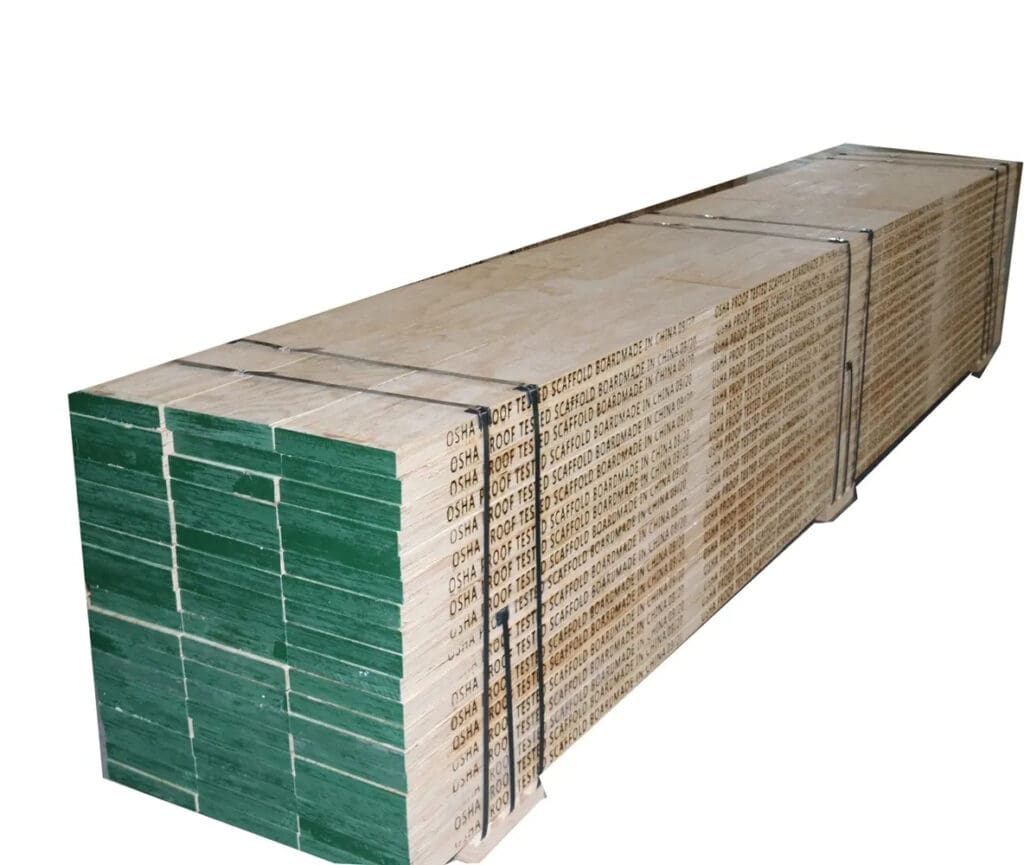
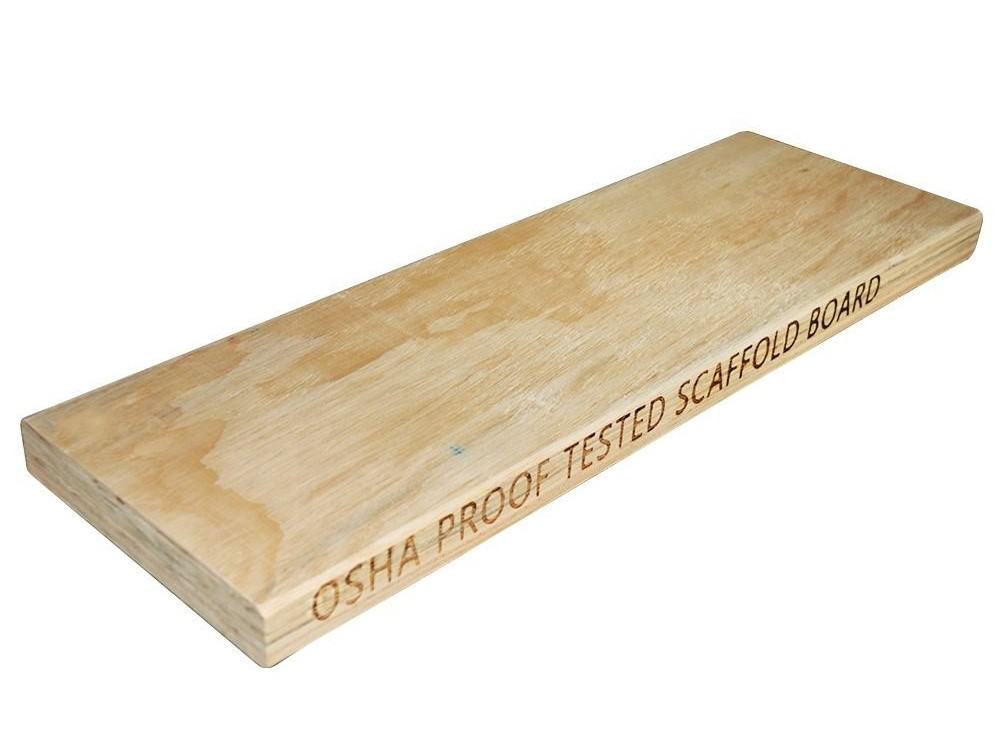
Les planches d'échafaudage en bois servent à combler les espaces vides entre les éléments horizontaux d'un échafaudage afin de créer une plateforme de travail stable. Ces planches permettent de construire la plateforme de travail de manière sûre et efficace, permettant ainsi d'effectuer des opérations en hauteur en toute sécurité.

  • Contrôle qualité rigoureux et tests de sécurité
  • Capacité de charge, stabilité et durabilité exceptionnelles
  • Polishing, non-slip, construction workers more secure
  • Fonction d'installation et de démontage pratique
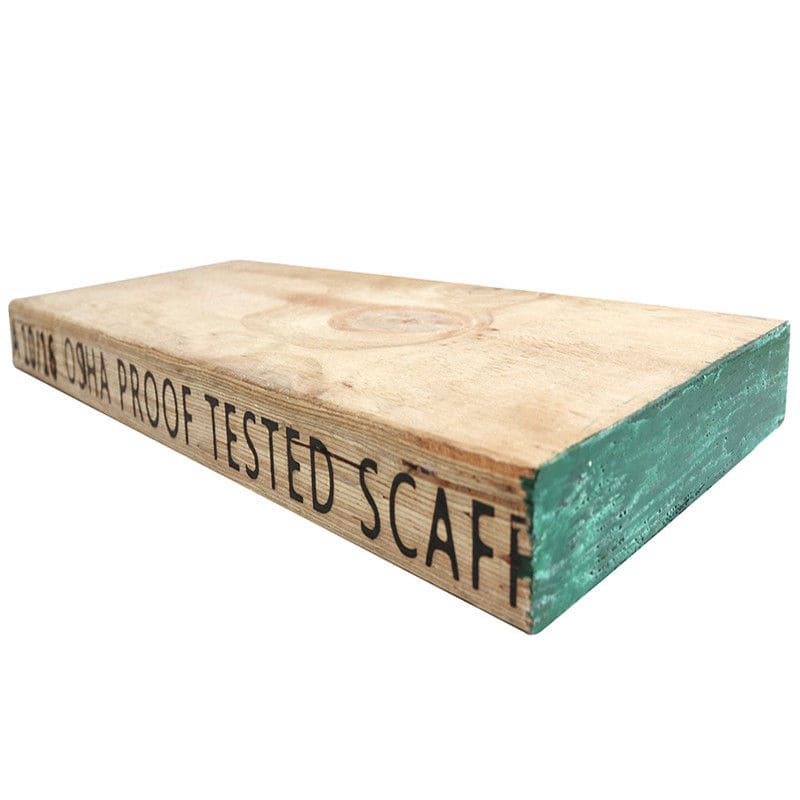
LVL timber plank
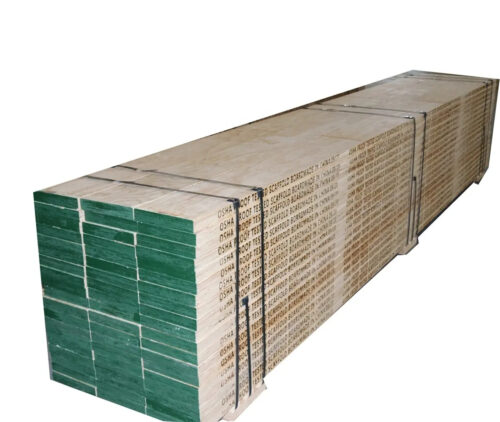
LVL scaffold plank with painting
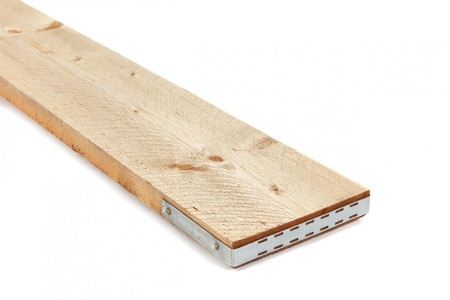
Wood scaffold plank with iron sheet
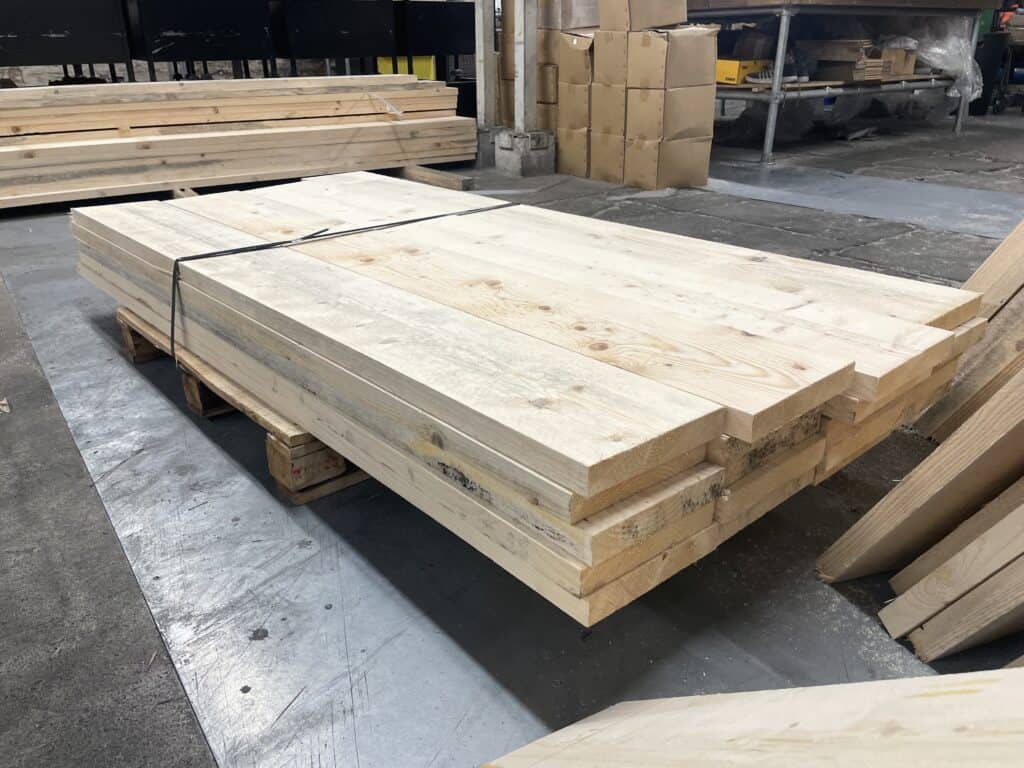
Wood scaffold plank

Types de planches d'échafaudage en bois que nous fournissons

lvl timber plank

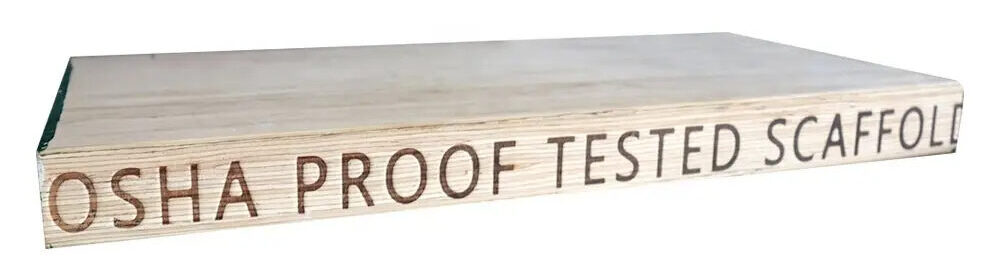
Planche d'échafaudage en bois

Matériau : Peuplier ; Pin radiata ; Eucalyptus ; etc.

Taille : 38x225x3900mm ou selon vos besoins.

Colle : Colle mélamine, colle WBP.

lvl scaffold plank with painting

Planche d'échafaudage en bois avec peinture

Matériau : Peuplier ; Pin radiata ; Eucalyptus ; etc.

Taille : 38x225x3900mm ou selon vos besoins.

Colle : Colle mélamine, colle WBP.
wood scaffold plank with iron sheet

Planche d'échafaudage en bois avec cisaillement en fer

Matériau : Peuplier ; Pin radiata ; Eucalyptus ; etc.

Taille : 38x225x3900mm ou selon vos besoins.

Colle : Colle mélamine, colle WBP.
Plus de détails

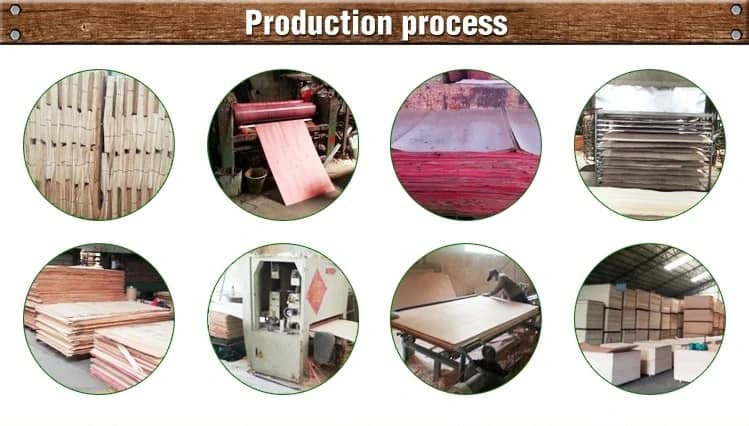
Processus de produit
wood scaffold plank production process
  1. Collect wood material: We prioritize high-quality, moisture-resistant natural wood.
  2. Drying: Wood veneers are drive by the drying machine.
  3. Angular crinding: After this way finishing, the lap joints will be the same thickness as other parts, and there will be no hole and the lap joints.
  4. Joint veneer: Wood veneers are jointed by workers.
  5. Hot press: Mat is pressed by heated steel belt.
  6. Cooling: Ex hot press, large size boards kept cool.
  7. Sanding: Board surface is sanding by sanding machine.
  8. Making mark: Making mark according to customers’ requirements.
  9. Packing: Every sheet has been carefully tested.
Recommandations de stockage
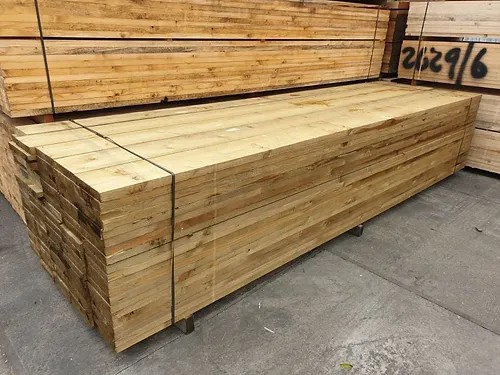
A small bundle of scaffold planks
  • Dry planks can be stacked on top of one another, well clear of the ground and covered to keep dry.
  • Wet planks should be stacked in a dry, well-ventilated area clear of the ground, with spacers/fillets aligned between each layer to allow air flow to dry out the planks.
  • The stack should be level, neatly stacked and supported with aligned bearers and spacers not greater than 2.0m apart.
Évitez d'endommager les planches d'échafaudage en bois
A small bundle of scaffold planks
  • Do not use Scaffold Plank over greater spans than those recommended for each Duty Category.
  • Do not drop or throw Scaffold Plank from excessive heights.
  • Do not drive over Scaffold Plank.
  • Notching, cutting or machining Scaffold Plank will reduce its strength.
Effets chimiques
wood scaffold plank
  • Les placages de pin radié ne sont pratiquement pas affectés par l'exposition à des acides ou des alcalis de force modérée (dans la plage de pH 3 à 9).
  • De fortes concentrations d'acides ou d'alcalis altèrent la lignine qui lie les fibres de bois. La résine phénolique utilisée pour lier les planches est très résistante aux attaques chimiques. Les planches utilisées dans ces conditions doivent être régulièrement évaluées avant réutilisation.

Permettre aux travailleurs de travailler en toute sécurité et efficacement

  • High strength: wooden scaffolding plates have high strength, can withstand a certain weight and pressure, so it is widely used in construction sites and decoration sites.
  • Easy installation: the installation of wooden scaffolding plates is relatively simple, can be quickly set up and disassembled, without special tools and skills.
  • High safety performance: wooden scaffolding plates have excellent bearing capacity and stability, can ensure the safety of workers working at high places.
  • Good environmental performance: wooden scaffolding plates are a natural material, will not cause pollution to the environment, in line with the requirements of modern society for environmental protection.
wood scaffold plank
wood scaffold plank

Pourquoi nous choisir

Pour garantir la solidité et la cohérence, APAC maintient des normes strictes de contrôle de qualité et de tests de performance.

  • Contrôle qualité parfait
  • Équipements et installations de production de pointe
  • Équipe professionnelle de production, de commercialisation et d'expédition

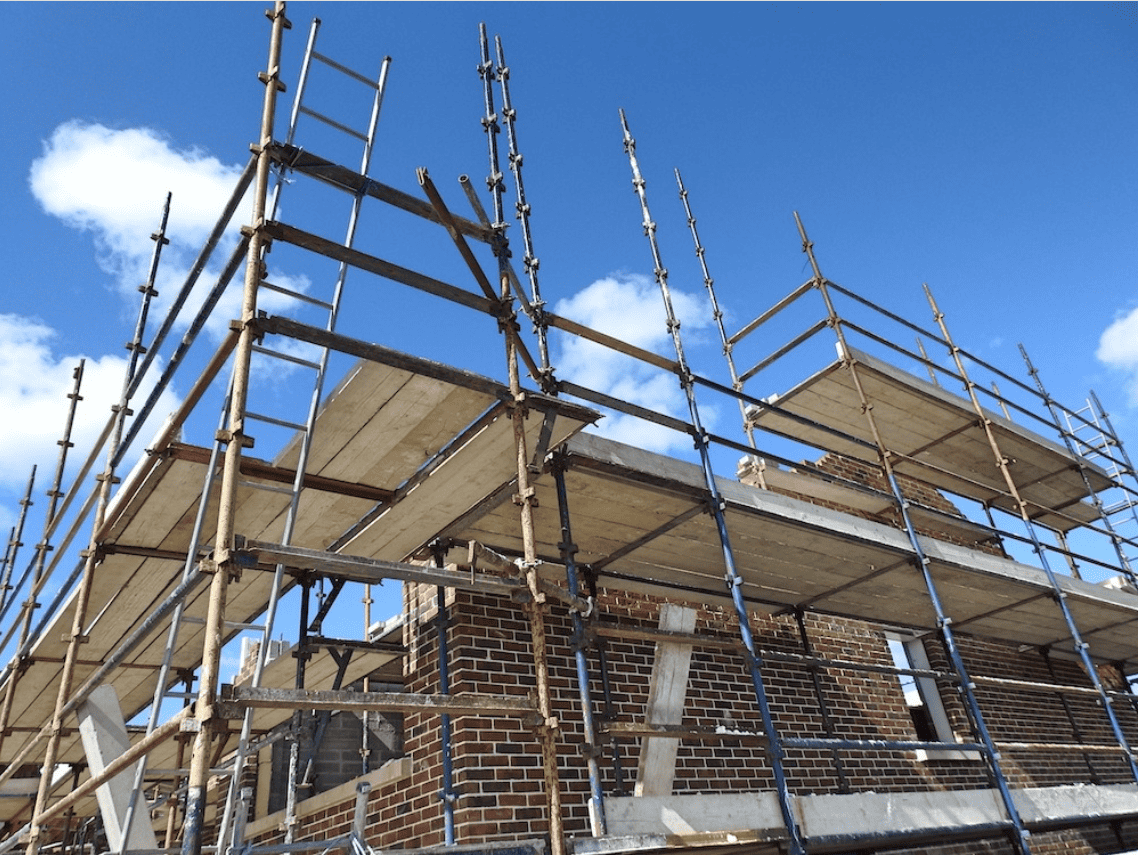
Applications des planches d'échafaudage en bois

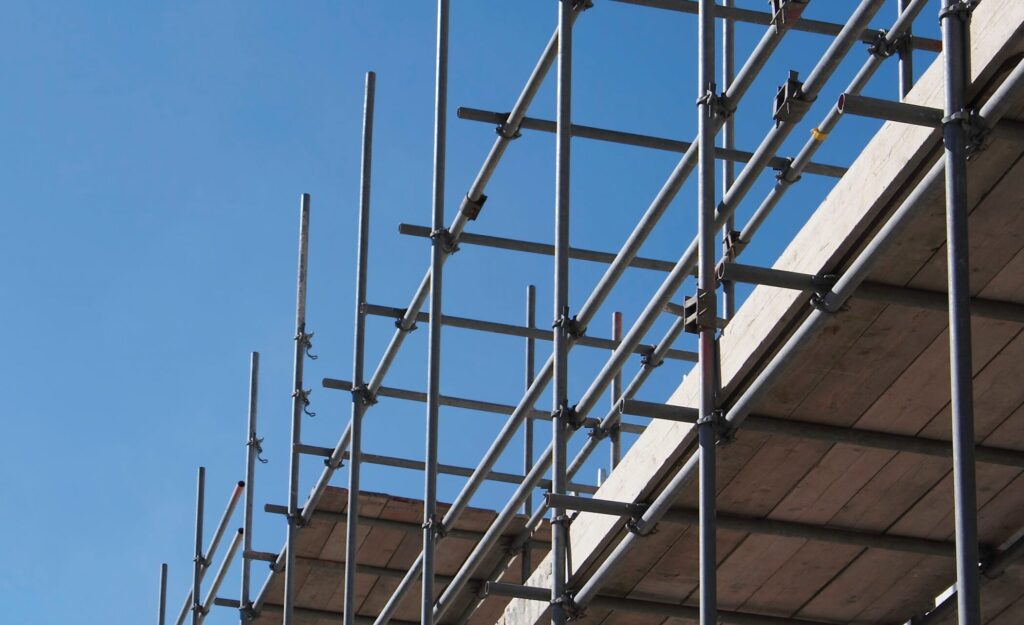
En tant qu'élément essentiel du système d'échafaudage, la fonction principale de la planche d'échafaudage est de fournir une plate-forme de travail temporaire au personnel de construction, afin qu'il puisse effectuer des opérations en toute sécurité dans des endroits élevés.

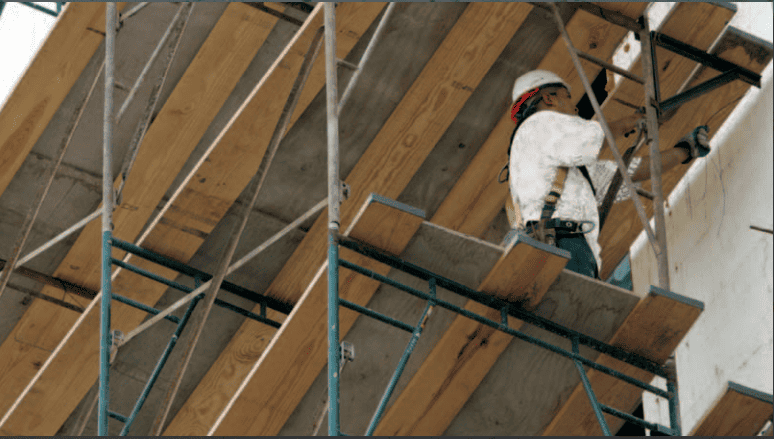
Wood scaffold plank application

Questions fréquemment posées.

lvl timber plank

Si vous avez d'autres questions sur les plaques d'échafaudage, n'hésitez pas à nous contacter.

Les planches d’échafaudage doivent-elles être attachées ?

A risk assessment should always be conducted to determine the necessity of tying down scaffold planks, however, a good rule of thumb is that boards less than 2.13m long and under 38mm thick should be tied down to prevent tipping

Que recherche l'OSHA ?

Les normes de sécurité de l'OSHA pour les échafaudages utilisés dans l'industrie de la construction (29 CFR 1926, sous-partie L, réf. 1) contiennent des exigences très spécifiques concernant les performances des planches d'échafaudage.

Premièrement, elle doit pouvoir supporter sans défaillance son propre poids et au moins quatre fois la charge prévue. Deuxièmement, à pleine charge, la planche ne peut pas fléchir de plus de 1/60 de sa portée. Seules les planches de très haute qualité peuvent répondre à ces normes de performance.

Quelles sont les valeurs de conception structurelle qui contribuent le plus à la capacité des produits à répondre aux normes applicables ?

Extreme Fiber Bending (Fb) is the most crucial design value and it accounts for about 65% of the planks’ overall performance. It is a measurement of the correlation of a plank’s load carrying capacity in relationship to how much the board flexes before beginning to fracture and break. The Modulus of Elasticity (MOE) is the second most important design value and is a measurement of a planks’ stiffness or rigidity. It constitutes about 30% of the planks overall performance.

Given the strength differences of each and every type of plank product, it is critical you refer to the product literature provided by the mill or manufacturer for the specific plank product you are considering.

De combien une planche d'échafaudage est-elle censée dépasser l'extrémité d'un cadre d'échafaudage ?

Les normes OSHA précisent qu’une planche de bois doit s’étendre d’au moins 6 pouces et d’au plus 12 pouces au-delà des points de support du cadre de l’échafaudage.

Les planches d’échafaudage en bois peuvent-elles être coupées en longueurs plus courtes ?

Solid sawn wood plank is visually graded as a whole piece, therefore it is not recommended that a plank be arbitrarily cut into smaller sections. At a shorter length, there is a possibility that defects such as knots or splits might end up being located exactly where the plank needs to bear on the scaffold frame. Since genuine OSHA recognized laminated plank is mechanically tested and the structural integrity is more predictable, cutting longer boards into shorter ones is generally not an issue.

Keep in mind that older, used planks may have been compromised from prior usage and field conditions, and therefore should be inspected closely before cutting.

Besoin d'aide?
N'hésitez pas à nous contacter pour plus d'informations sur l'entreprise ou le service