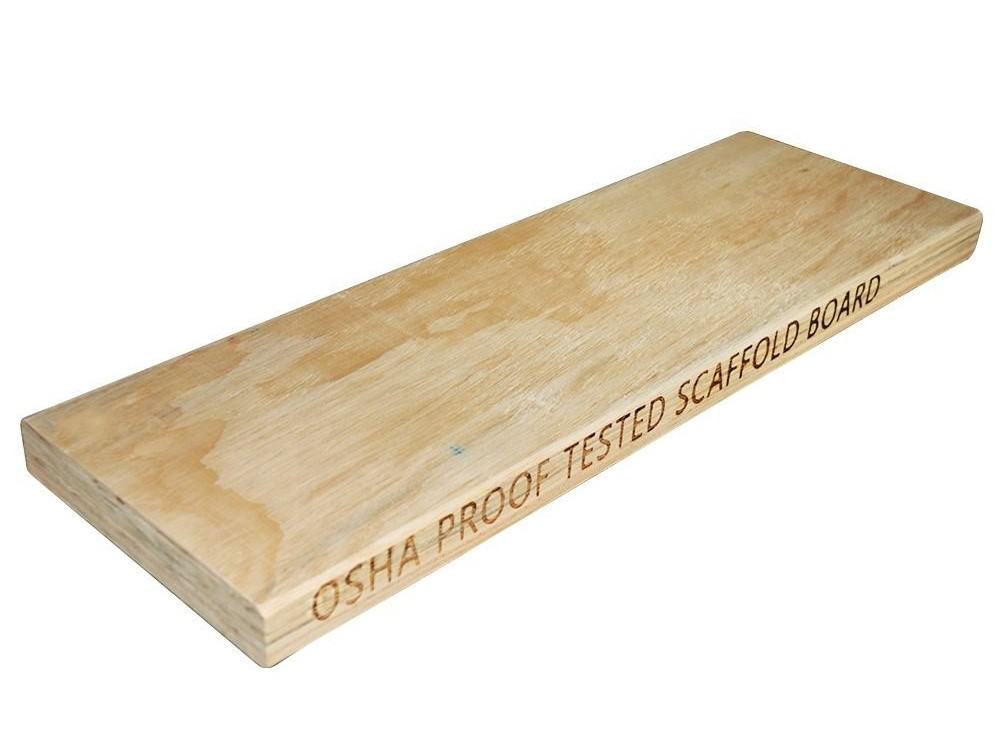
Holzgerüstbohle
Materialien: Pappel, Radiata-Kiefer, Eukalyptus usw.
Größe: 38x225x3900mm oder nach Ihren Bedürfnissen.
Klebstoff: Melaminkleber, WBP-Klebstoff.

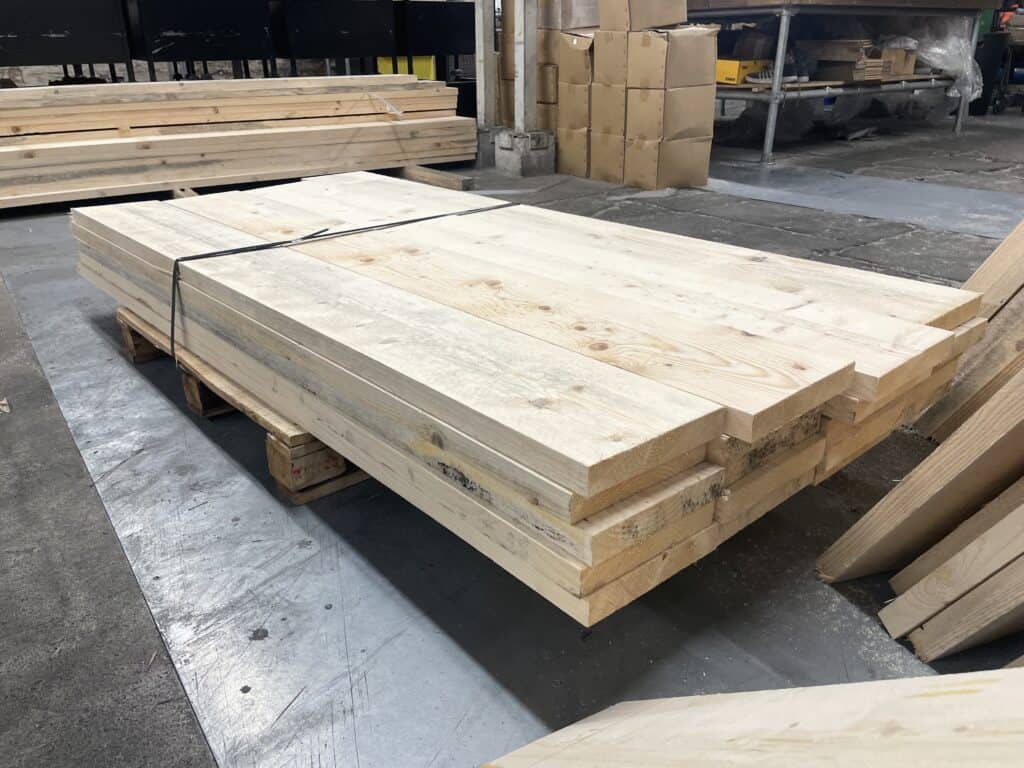
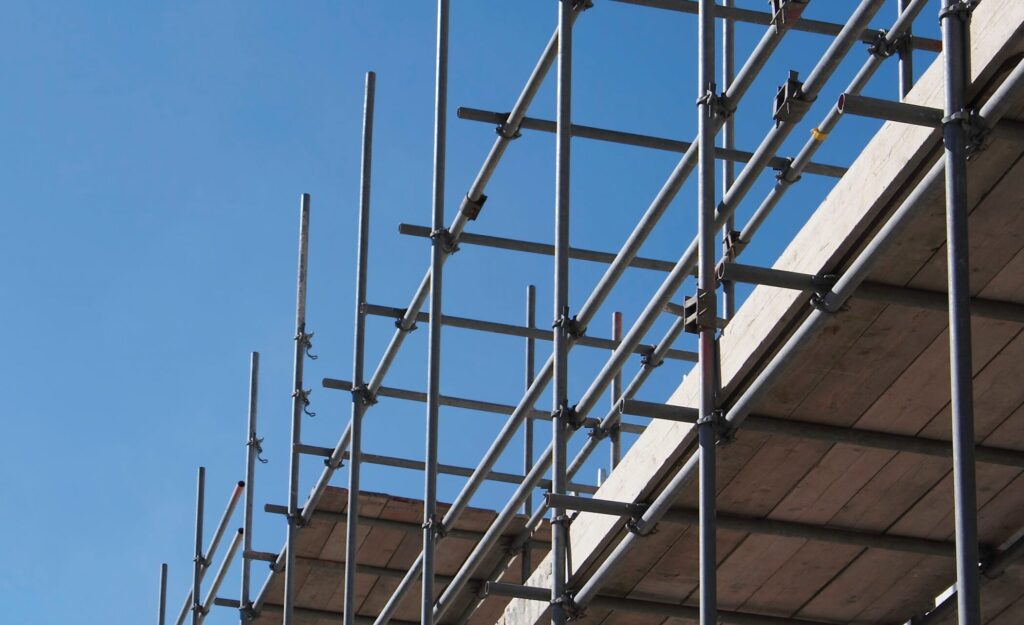
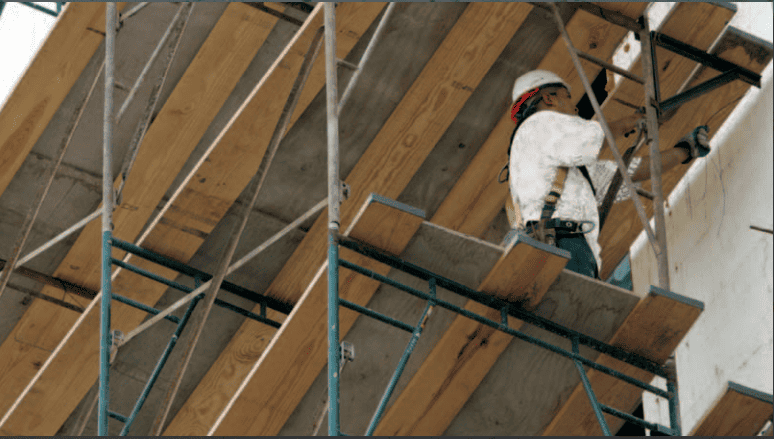
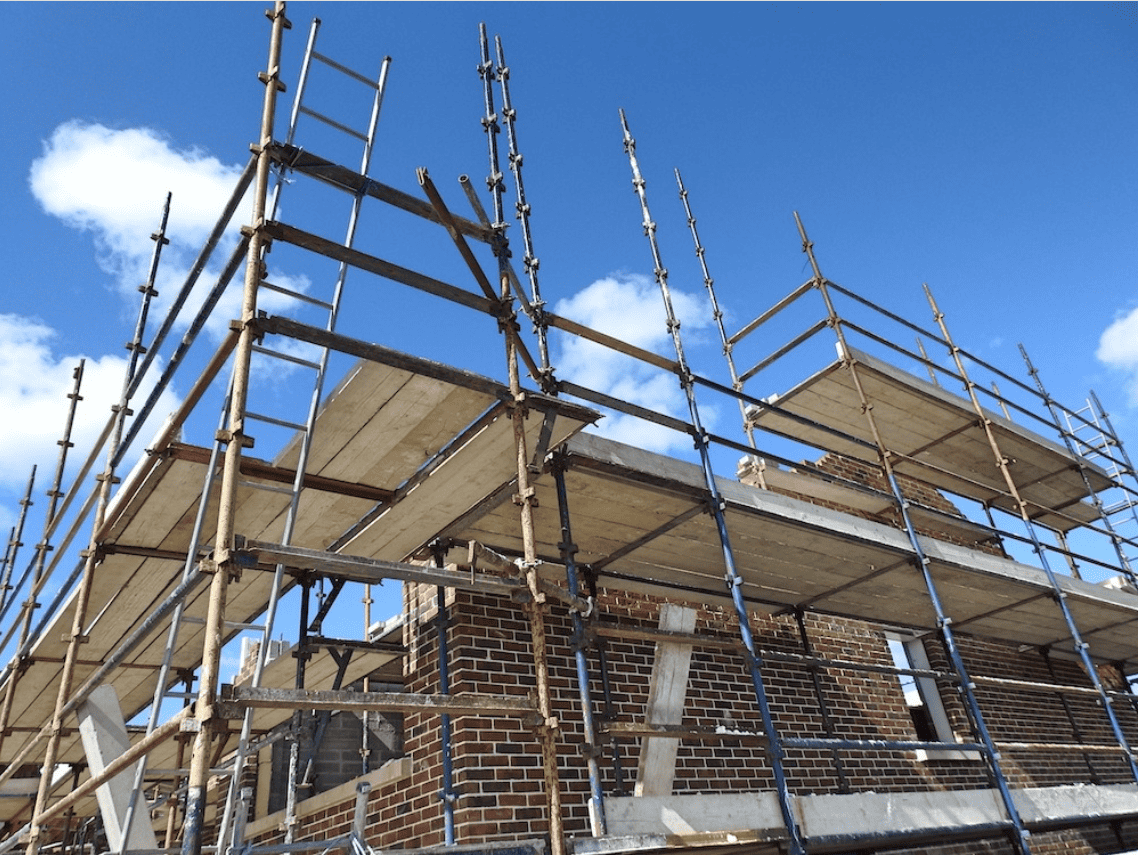
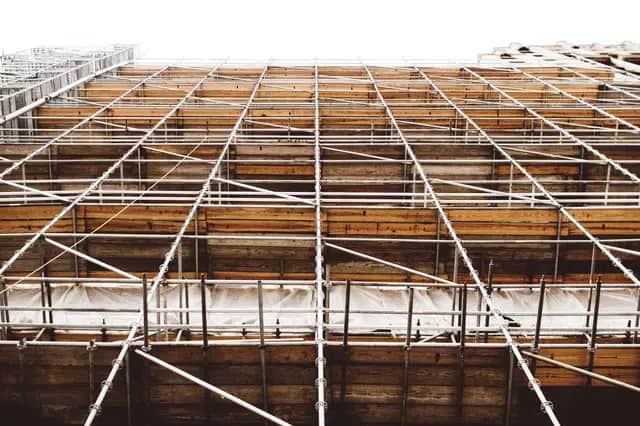
Holzgerüstbohlen dienen dazu, Lücken zwischen den horizontalen Elementen eines Gerüstturms zu überbrücken und so eine durchgehende Arbeitsplattform zu schaffen. Mithilfe dieser Bohlen lässt sich die Arbeitsplattform sicher und effizient errichten, sodass Arbeiten in der Höhe sicher durchgeführt werden können.
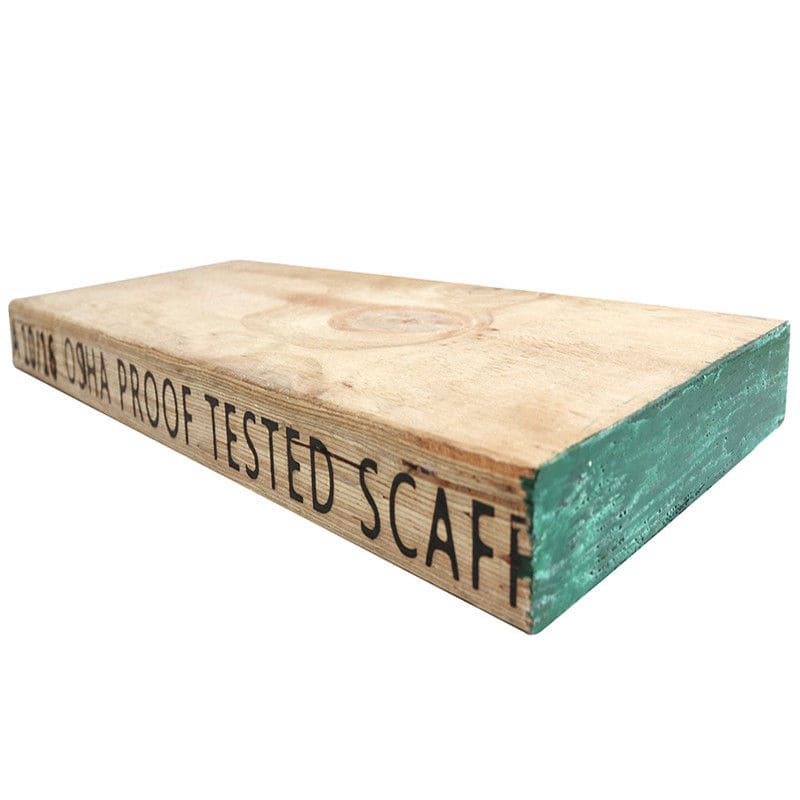
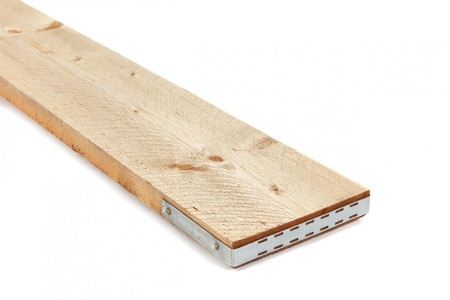
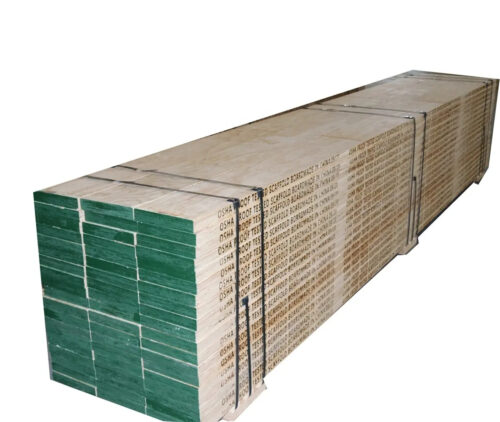
Materialien: Pappel, Radiata-Kiefer, Eukalyptus usw.
Größe: 38x225x3900mm oder nach Ihren Bedürfnissen.
Klebstoff: Melaminkleber, WBP-Klebstoff.
Materialien: Pappel, Radiata-Kiefer, Eukalyptus usw.
Größe: 38x225x3900mm oder nach Ihren Bedürfnissen.
Klebstoff: Melaminkleber, WBP-Klebstoff.
Materialien: Pappel, Radiata-Kiefer, Eukalyptus usw.
Größe: 38x225x3900mm oder nach Ihren Bedürfnissen.
Klebstoff: Melaminkleber, WBP-Klebstoff.

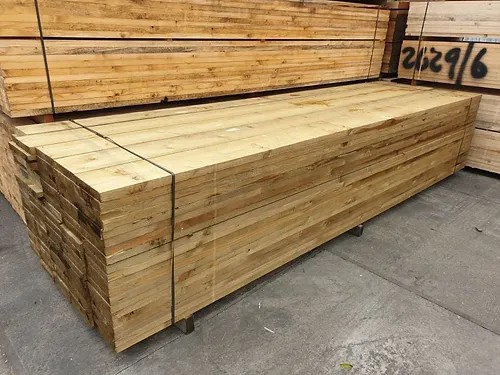
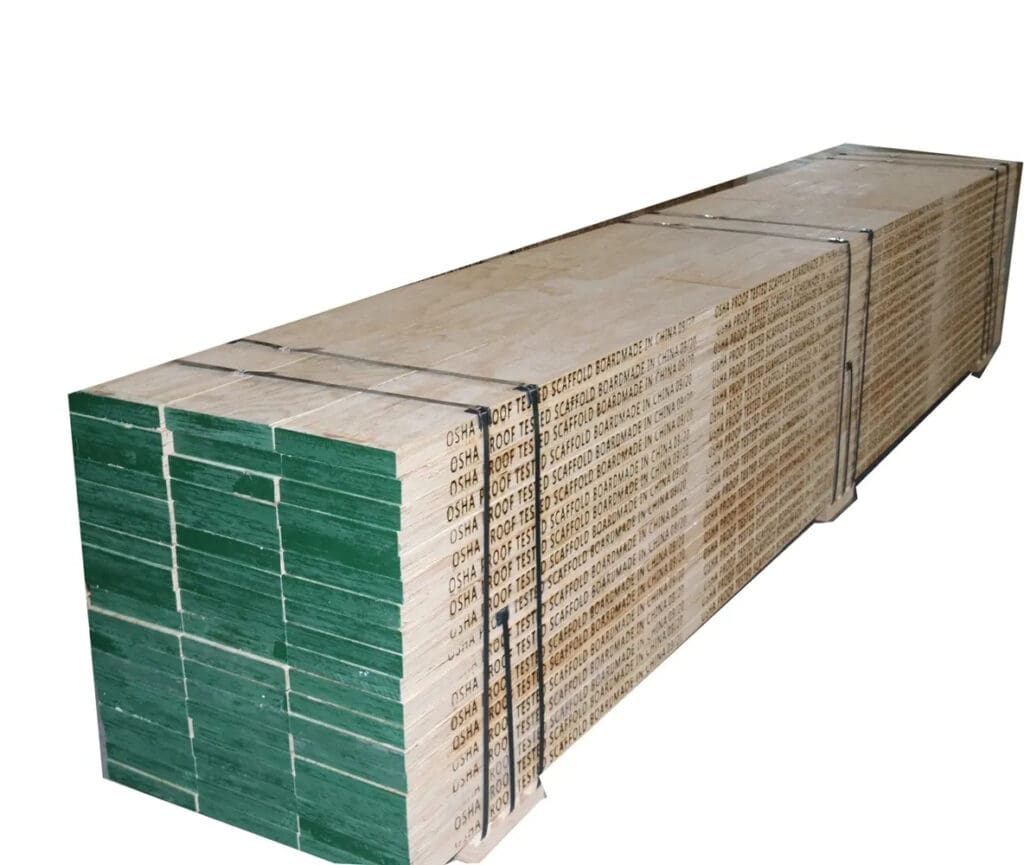
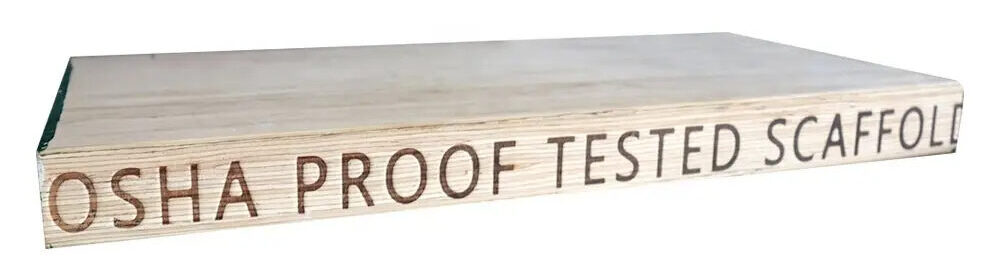
Um Festigkeit und Beständigkeit zu gewährleisten, hält APAC strenge Qualitätskontrollstandards ein und führt Leistungstests durch.
Als wesentlicher Bestandteil des Gerüstsystems besteht die Hauptfunktion der Gerüstbohle darin, den Bauarbeitern eine temporäre Arbeitsplattform zu bieten, damit diese Arbeiten sicher in der Höhe durchführen können.

Sollten Sie weitere Fragen zu Gerüstplatten haben, kontaktieren Sie uns bitte.
A risk assessment should always be conducted to determine the necessity of tying down scaffold planks, however, a good rule of thumb is that boards less than 2.13m long and under 38mm thick should be tied down to prevent tipping
Die OSHA-Sicherheitsstandards für Gerüste in der Bauindustrie (29 CFR 1926, Unterabschnitt L, Referenz 1) enthalten sehr spezifische Anforderungen an die Leistungsfähigkeit von Gerüstbohlen.
In erster Linie muss die Planke “ihr Eigengewicht und mindestens das Vierfache der vorgesehenen Last ohne Versagen tragen können”. Zweitens darf sie sich unter Volllast nicht mehr als 1/60 ihrer Spannweite durchbiegen. Nur Planken von sehr hoher Qualität erfüllen diese Leistungsstandards.
Extreme Fiber Bending (Fb) is the most crucial design value and it accounts for about 65% of the planks’ overall performance. It is a measurement of the correlation of a plank’s load carrying capacity in relationship to how much the board flexes before beginning to fracture and break. The Modulus of Elasticity (MOE) is the second most important design value and is a measurement of a planks’ stiffness or rigidity. It constitutes about 30% of the planks overall performance.
Given the strength differences of each and every type of plank product, it is critical you refer to the product literature provided by the mill or manufacturer for the specific plank product you are considering.
Die OSHA-Normen schreiben vor, dass eine Holzplanke mindestens 6 Zoll und höchstens 12 Zoll über die Auflagepunkte des Gerüstrahmens hinausragen muss.
Solid sawn wood plank is visually graded as a whole piece, therefore it is not recommended that a plank be arbitrarily cut into smaller sections. At a shorter length, there is a possibility that defects such as knots or splits might end up being located exactly where the plank needs to bear on the scaffold frame. Since genuine OSHA recognized laminated plank is mechanically tested and the structural integrity is more predictable, cutting longer boards into shorter ones is generally not an issue.
Keep in mind that older, used planks may have been compromised from prior usage and field conditions, and therefore should be inspected closely before cutting.
Brauchen Sie Hilfe?