Introduction
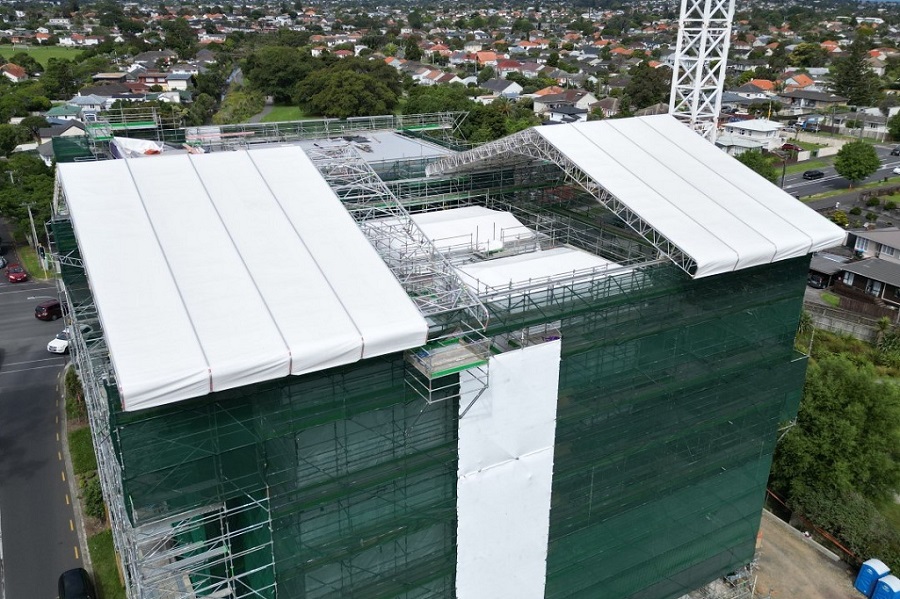
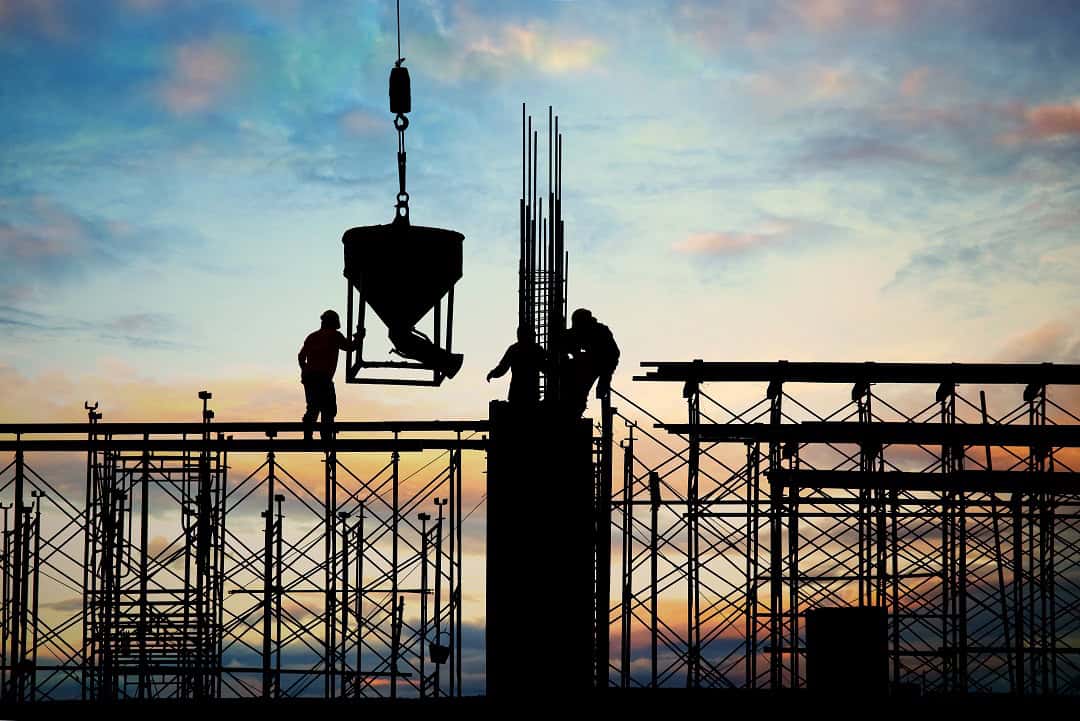
Tubular scaffolding is a common form of scaffolding commonly used in construction sites. It is a reputed scaffolding system within the industry, which is applicable in an extremely wide range of jobs, including bricklaying, facade repairs, industrial maintenance, and renovation activities.
And in this blog, we will discuss the definition of tubular scaffolding, its primary components, when it is used, its pros and cons, and will help you to learn about this scaffold system.
What is tubular scaffolding?
Tubular scaffolding, sometimes called tube and clamp scaffolding or tube and fitting scaffolding, is a very versatile temporary structure that is employed to give workers, tools, and materials safe access and support during height work.
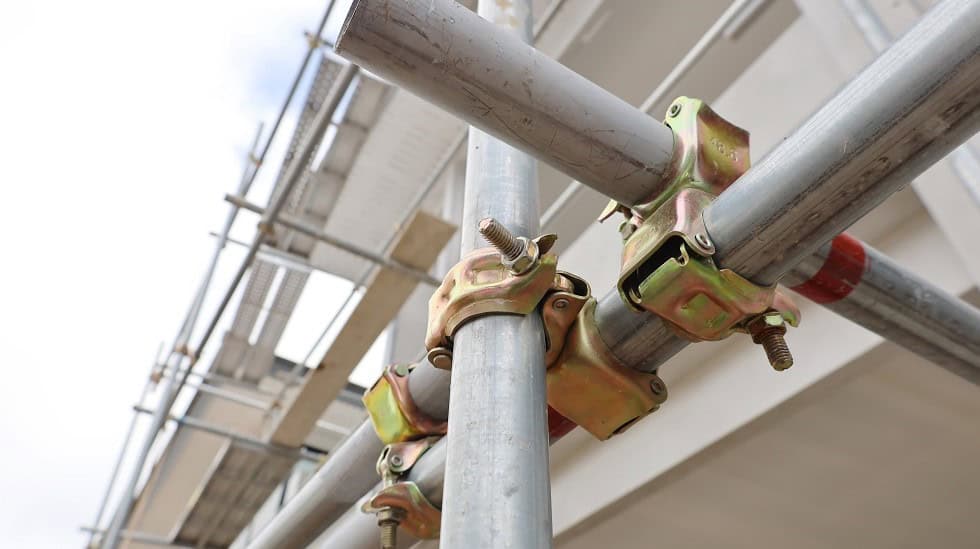
It is constructed with steel tubes but linked with various forms of couplers, clamps, etc that create a stable structure that can be customized to fit numerous construction, maintenance and repair projects.
The configurability of tubular scaffolding is its advantage. Tubular scaffolding can be reconfigured on-site, unlike modular systems whose connection points are fixed, and is therefore ideal to projects that have curved surfaces, irregular structures, or a complicated layout.
Components of Tubular Scaffolds
Tubular scaffolding is made up of several structural, connecting, and supporting components. Each part has a specific role in keeping the scaffold stable, safe, and practical for work at height.
Key Structural Components
Standards (Uprights)
Standards are the vertical tubes of the scaffold. They carry the entire load of the structure, including workers, tools, materials, and the scaffold itself, down to the ground.
Ledgers (Runners)
Ledgers are horizontal tubes connected to the standards. They run along the length of the scaffold and provide longitudinal support while linking the uprights together.
Transoms (Bearers or Putlogs)
Transoms are tubes placed across the ledgers to support the working platform or scaffold boards. In some cases, they act as standard right-angle transoms, while putlogs may be supported at one end by the wall or structure.
Braces
Braces are diagonal tubes used to improve the stability of the scaffold and reduce sway during use.
Ledger Bracing
Ledger bracing is installed between ledger connections to provide additional rigidity and help maintain the scaffold’s shape under load.
Base Plates or Base Jacks
Base plates or base jacks are installed at the bottom of the standards. They help distribute the load safely to the ground and are especially important when the scaffold is erected on uneven or less stable surfaces.

Connecting and Supporting Components
Couplers (Clamps or Fittings)
Scaffold couplers are the fittings used to connect scaffold tubes together. They are essential for assembling the scaffold and ensuring that each connection is secure.
Right-Angle Coupler (Double Coupler)
This type of coupler is used to connect ledgers or transoms to standards at a 90-degree angle. It is one of the most common fittings in tubular scaffolding.
Swivel Coupler
A swivel coupler is used to connect tubes at different angles. It is mainly used for bracing where flexibility in the connection is needed.
Sleeve Coupler
Sleeve couplers are used to join two tubes end to end, allowing the scaffold tube length to be extended when required.
Decking (Platforms or Boards)
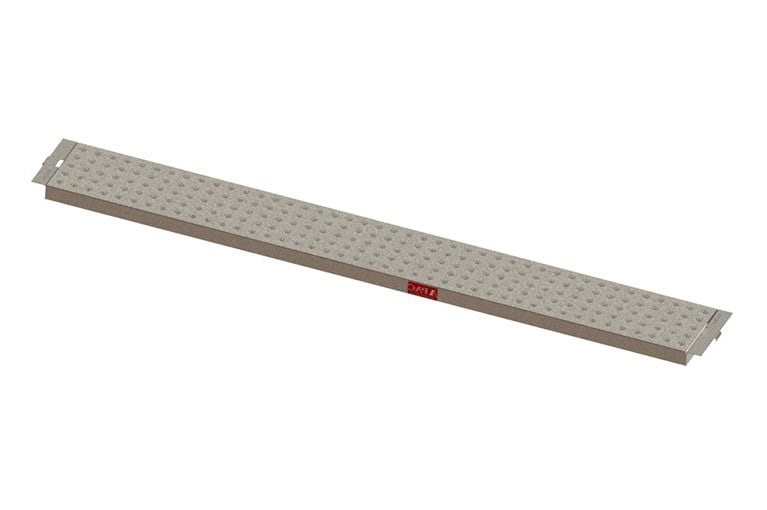
Decking includes the steel, aluminum, or timber boards placed on the transoms. These boards create the working platform where workers stand and place tools or materials.


Advantages of Tubular Scaffolds
Tubular scaffolding is still popular as it provides flexibility, strength, and functionality, which is applicable to most construction settings.
High flexibility for irregular structures and difficult access areas
Tubular scaffolding can be configured in many different ways, making it ideal for projects with complex shapes, curved surfaces, or restricted spaces where standard systems may not fit.
Strong and durable when built with quality tubes and fittings
When manufactured from high-quality steel or aluminum and assembled correctly, tubular scaffolds provide reliable load-bearing capacity and long service life.
Can be reused many times across different projects
The components are highly reusable, allowing contractors to use the same tubes and fittings across multiple projects, which helps reduce overall costs.
Widely understood by contractors and scaffold crews around the world
Because it has been used for decades, most scaffold teams are familiar with its assembly and operation, reducing the learning curve on-site.
Easy to replace individual components without replacing the whole system
If a tube or coupler becomes damaged, it can be replaced independently, which simplifies maintenance and minimizes downtime.

Disadvantages of Tubular Scaffolding
Despite its advantages, tubular scaffolding also has some limitations that should be considered depending on the project requirements.
Assembly is usually slower than modular scaffold systems
Compared with systems like Ringlock or Cuplock, tubular scaffolding requires more time to assemble and dismantle due to the number of individual components.
Requires experienced workers for proper erection and dismantling
Correct assembly depends on skilled labor, as improper connections or missing components can affect stability and safety.
More loose components can increase handling and storage needs
The system consists of many separate tubes and fittings, which can make transportation, storage, and on-site management more complex.
On-site labor costs may be higher compared with system scaffolding
Longer installation time and the need for experienced workers can increase total labor costs on the project.
Incorrect assembly can create safety risks if not properly supervised
If the scaffold is not properly braced, leveled, or secured, it may become unstable. According to Occupational Safety and Health Administration guidelines, improper scaffolding setup is one of the leading causes of construction site accidents, which highlights the importance of proper supervision and inspection.
Use Cases for Tubular Scaffolds
Tubular scaffolds are used in many types of construction and maintenance work because they are flexible and easy to adapt to different site conditions.
Building façade work
They are often used for exterior work such as painting, cladding, repair, and façade installation.
Bricklaying and plastering projects
Tubular scaffolds provide stable platforms for bricklaying, plastering, and rendering at different heights.
Industrial maintenance and plant shutdown work
They are commonly used in factories, refineries, and power plants for repair, cleaning, and maintenance work around equipment, tanks, and pipelines.
Bridge construction and repair
Tubular scaffolding is also suitable for bridge work, especially when the ground is uneven or access is difficult.
Renovation and restoration projects
It is a good choice for renovation and restoration because it can be adjusted to fit existing structures more easily.
Projects with complex shapes or restricted access
Tubular scaffolds work well on curved, sloped, or irregular buildings where more flexibility is needed.
Temporary access platforms for both indoor and outdoor work
They can be used to create temporary working platforms for many kinds of indoor and outdoor jobs.
Besides construction, tubular scaffolding is also used in areas like shipbuilding, offshore maintenance, and temporary stage structures.
Safety Considerations for Tubular Scaffolding
Safety should always come first when using tubular scaffolding. Even a strong scaffold system can become dangerous if it is erected incorrectly, overloaded, or used without proper inspection. Because tubular scaffolding is made up of many separate tubes, couplers, and boards, every part must be installed and checked carefully to make sure the structure remains stable throughout the project.
Ensure the scaffold is erected by trained and competent personnel
Tubular scaffolding should only be assembled, modified, or dismantled by workers who understand scaffold structure, load paths, and safe erection procedures. This is especially important because tube and coupler scaffolding requires correct positioning of each component, not just simple locking into fixed points. A skilled crew is more likely to spot mistakes early and build a scaffold that is safe from the start.
Use the correct couplers and fittings for each connection point
Each connection in a tubular scaffold has a specific purpose, so the correct coupler must be used in the correct place. Right-angle couplers are typically used for 90-degree connections, swivel couplers are used for bracing, and other fittings are used where tube extensions or special connections are needed. Using the wrong fitting, or installing a fitting incorrectly, can weaken the scaffold and increase the risk of movement or failure.
Confirm the scaffold is level, stable, and properly braced
A scaffold must always be erected on a firm and level surface. If the ground is uneven, suitable base plates, base jacks, or sole boards should be used to distribute the load and keep the structure stable. Bracing is also essential. Without proper diagonal bracing and tie-ins, the scaffold may sway, shift, or lose stability under load or wind pressure. Taller scaffolds and more complex builds usually need additional bracing and anchoring to remain secure.
Install guardrails, toe boards, and safe access points where needed
A safe scaffold is not only about structure. It must also protect workers during daily use. Guardrails should be installed on open sides and ends of working platforms to reduce the risk of falls. Toe boards help prevent tools or materials from falling off the platform. Safe access, such as ladders or stair units, should also be provided so workers can move up and down the scaffold safely instead of climbing the frame itself.
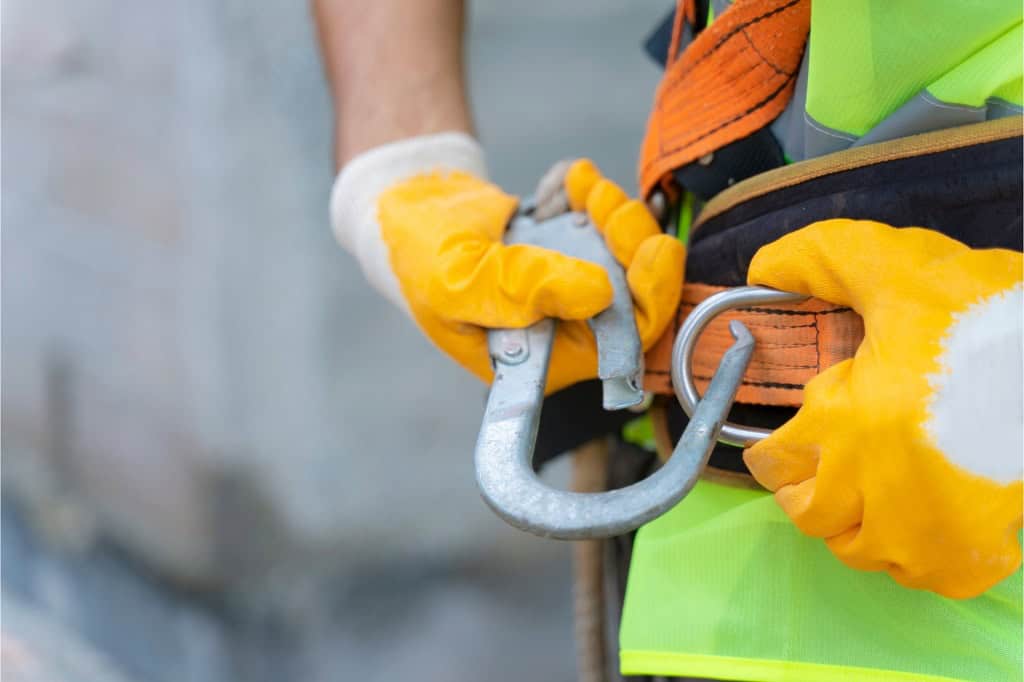
Use proper personal protective equipment (PPE)
Even with a well-built scaffold, workers should still use the necessary PPE required for the task and site conditions. This may include helmets, non-slip footwear, gloves, and fall protection equipment where needed. PPE does not replace safe scaffolding, but it adds another layer of protection for workers on site.
In short, tubular scaffolding safety depends on three things: correct erection, proper load control, and regular inspection. When these points are taken seriously, tubular scaffolding can provide a safe and dependable working platform for a wide range of projects.
Maintaining and Inspecting the Scaffold
Proper maintenance and regular inspection are essential to keep tubular scaffolding safe throughout the project. Even a well-built scaffold can become unsafe over time if components are worn, loose, or damaged.
Inspect tubes, couplers, boards, and base plates before each use
Before work begins, all scaffold components should be checked to ensure they are in good condition and correctly installed. This helps identify potential issues early.
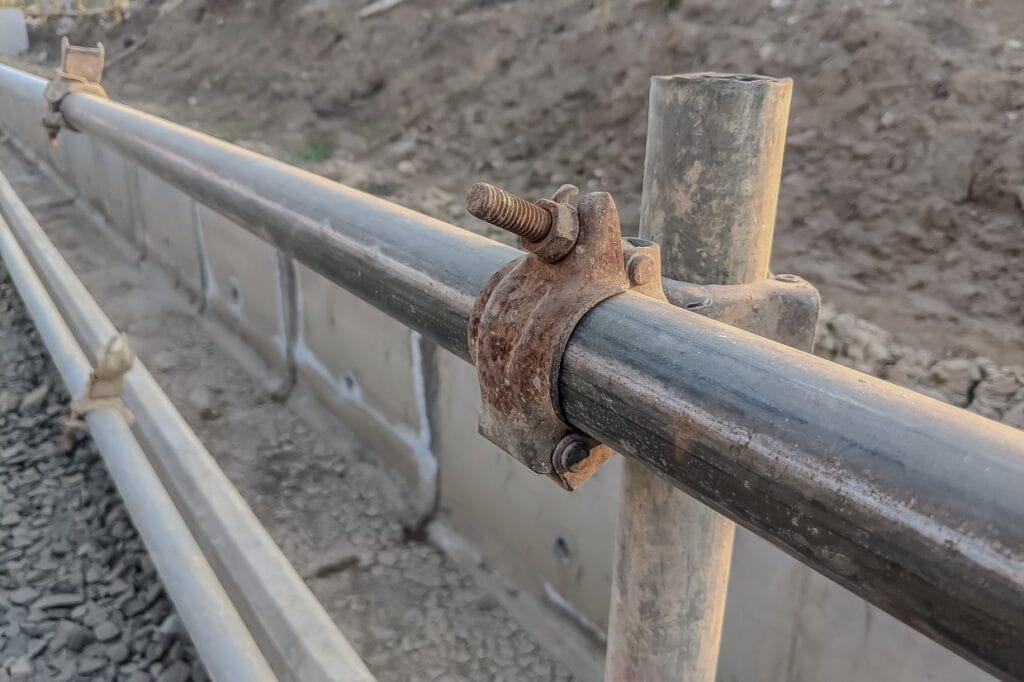
Check for corrosion, cracks, deformation, or damaged threads
Steel tubes and fittings can wear over time. Look closely for rust, bending, cracks, or damaged threads that could weaken the structure.
Ensure all fittings are tightened correctly and remain secure during use
Loose couplers are one of the most common causes of scaffold instability. All connections should be properly tightened and rechecked during use if necessary.
Replace worn or damaged components immediately
Any damaged parts should be removed and replaced right away. Continuing to use faulty components can compromise the entire scaffold system.
Keep the scaffold clean and free from loose debris or slippery materials
Working platforms should be kept tidy to reduce the risk of slips, trips, and falling objects. Clean surfaces also make inspections easier.
Carry out routine inspections after bad weather, impact, or major changes to the structure
Scaffolds should always be rechecked after strong winds, heavy rain, accidental impacts, or any modifications. Conditions can change quickly, and regular inspections help maintain ongoing safety.
What to consider when choosing tubular scaffolding?
Choosing the right tubular scaffolding system is not just about price or availability. Every project has different conditions, and selecting the wrong setup can lead to delays, safety risks, or higher costs later. It’s important to evaluate your project needs carefully before making a decision.
Type and complexity of the project
Simple structures may only require basic scaffold setups, while complex buildings with curves, overhangs, or restricted access will need more flexible configurations. Tubular scaffolding is often preferred for projects that require high adaptability.
Required load capacity and working height
Consider how much weight the scaffold will need to support, including workers, tools, and materials. Taller structures also require additional bracing and tie-ins to maintain stability under load and wind conditions.
Material choice: steel or aluminum
Steel scaffolding offers higher strength and durability for heavy-duty work, while aluminum is lighter and easier to handle, making it suitable for lighter applications or frequent repositioning.
Quality and compliance of tubes and couplers
Always check that tubes and fittings meet relevant safety standards. High-quality components with proper certification reduce the risk of failure and improve overall safety on site.
Ease of transport, storage, and handling
Tubular scaffolding consists of many separate parts. Consider how easy it is to transport, store, and manage these components, especially for large or multi-site projects.
Availability of replacement parts and accessories
Over time, some components may wear out or get damaged. Choosing a system with easily available spare parts ensures minimal downtime and smoother project progress.
Supplier reliability, manufacturing quality, and export support
Work with suppliers who can provide consistent quality, proper documentation, and reliable delivery. For international projects, strong export experience and packaging quality are also important.
Total cost, including labor, maintenance, and reuse value
Look beyond the initial purchase or rental price. Consider labor costs for assembly, ongoing maintenance, and how many times the scaffold can be reused. A slightly higher upfront investment often results in better long-term value.
Conclusion
Tubular scaffolding remains a flexible and reliable solution for a wide range of construction and maintenance projects. Its ability to adapt to different shapes, heights, and site conditions makes it especially valuable for projects that require custom configurations and on-site adjustments.
However, its performance depends heavily on using the right components and following proper practices. Selecting quality tubes and couplers, ensuring correct assembly, and carrying out regular inspections are all essential to maintain safety and stability throughout the project.
In the end, choosing the right scaffolding system comes down to your specific needs. Consider the project complexity, site conditions, budget, and available workforce. With the right planning and setup, tubular scaffolding can provide a safe, efficient, and cost-effective working platform for almost any job.
Faqs
What is a tubular scaffold?
A tubular scaffold is a temporary structure made from steel or aluminum tubes connected by couplers. It provides safe access and support for workers, tools, and materials when working at height in construction, maintenance, and repair projects.
What is the difference between modular and tubular scaffolding?
Modular scaffolding systems like Ringlock or Cuplock use fixed connection points, which makes them faster to assemble. Tubular scaffolding, on the other hand, uses separate tubes and couplers, allowing more flexibility and on-site adjustments for irregular structures.
Which is better tubular scaffolding or frame scaffolding?
It depends on the project. Tubular scaffolding is better for complex or irregular structures due to its flexibility, while frame scaffolding systems are faster to install and more suitable for simple, repetitive layouts.
Which part of tubular scaffolding are the standards?
Standards are the vertical tubes in the scaffold. They carry the load of the entire structure and transfer it safely to the ground.
Is tubular scaffolding safe for high-rise construction?
Yes, tubular scaffolding can be used for high-rise projects when it is properly designed, braced, and tied to the structure. Safety depends on correct assembly, load control, and regular inspection according to relevant standards.
What materials are used to make tubular scaffolding?
Tubular scaffolding is typically made from steel or aluminum tubes. Steel is more commonly used for heavy-duty applications because of its strength and durability, while aluminum is lighter and easier to handle, making it suitable for lighter work or projects that require frequent movement. The tubes are connected using steel couplers, and platforms are usually made from steel, aluminum, or timber boards.
How often should tubular scaffolding be inspected?
Tubular scaffolding should be inspected before first use, regularly during use, and after any event that could affect its stability, such as bad weather, impact, or structural changes. On most sites, inspections are carried out daily or at the start of each shift, with more detailed checks performed periodically by a competent person.
Is tubular scaffolding suitable for irregular building shapes?
Yes, tubular scaffolding is especially suitable for irregular or complex building shapes. Its tube and coupler design allows it to be adjusted freely, making it ideal for curved surfaces, uneven structures, and projects where standard modular systems may not fit easily.