
Red Scaffolding Tag
The Red Scaffold Tag by APAC Scaffold offers a safety solution for scaffolding compliance. Built from high-quality ABS material, this safety tag is designed to alert workers with a clear “DO NOT USE SCAFFOLD” message, reducing accident risks from unauthorized or unsafe access. Its waterproof, weather-resistant design and support for customized branding make it a reliable safety component for contractors, distributors, and project managers across a wide range of industries.
- Durable and Reliable Design.
- Easily visible and identifiable.
- Compliance with CE Certification.
- Customize your company information, logo.
- Help workers understand the status of scaffolding to avoid accidents.

Specification of Red Scaffold Tag
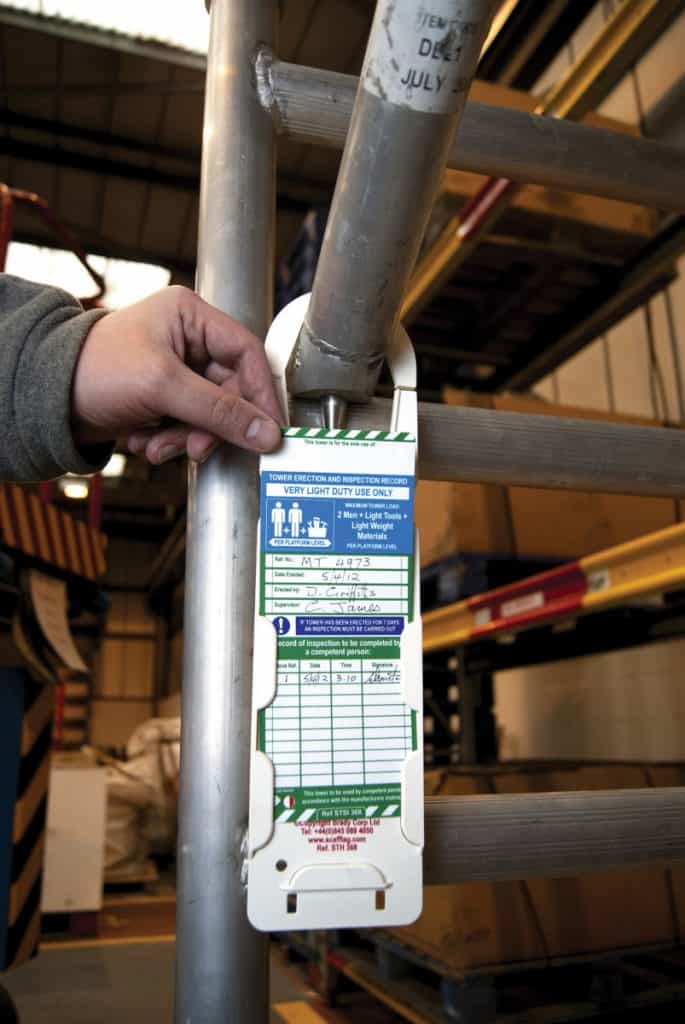
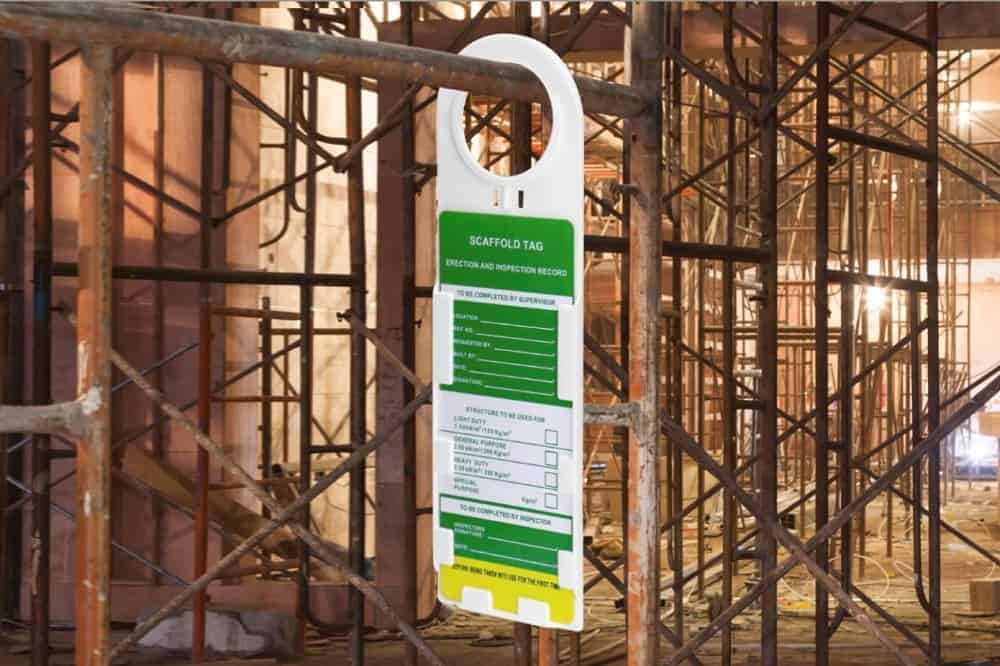
The Red Scaffold Tag is an essential component of any scaffold tagging system, providing visual, color-coded alerts to indicate the current status of scaffold structures. The system consists of a durable tag holder, which displays a default red warning message, and supports interchangeable inserts for inspection and load classification.
- Red Insert: Scaffold is unsafe and must not be used
- Yellow Insert: Scaffold requires inspection or has limited approval
- Green Insert: Scaffold is safe and approved for use
This modular system ensures real-time communication of scaffold safety status and supports legal compliance across all access points.
| Feature | Details |
|---|---|
| Material | High-strength ABS+PVC |
| Color | Red (Prohibition) |
| Message Displayed | DO NOT USE SCAFFOLD |
| Tag Type | Waterproof, UV-resistant, chemical resistant |
| Certification | CE Certified |
| Tagging System | Supports Red/Yellow/Green inserts |
| Customization | Logo printing, graphic design, 3D modeling |

Packing
Each APAC Red Scaffold Tag is securely packed to prevent damage during transit. Tags are typically bundled in quantities suited for bulk, and packaging can be customized with client branding upon request. We support palletized shipping and export-standard packaging to meet global logistics requirements.


Factory
APAC operates a modern, quality-controlled manufacturing facility equipped for large-scale production of scaffold safety tags. With a dedicated QA team and advanced molding technology, we ensure consistent product quality, compliance, and fast lead times. All tags are inspected before shipping to meet CE certification standards.
Frequently Asked Questions.
The FAQ section below addresses the most common questions customers have when considering the APAC Red Scaffold Tag. Help buyers make informed decisions quickly and confidently.
Q1: When should I use the APAC Red Scaffold Tag?
The red tag should be used during scaffold erection, after a failed inspection, or whenever a scaffold is deemed unsafe. It signals a clear “DO NOT USE” message to prevent unauthorized access.
Q2: Is the APAC tag weatherproof and suitable for outdoor use?
Yes, the APAC Red Scaffold Tag is made from high-strength ABS, making it waterproof, UV-resistant, and suitable for all weather conditions.
Q3: Can I customize the tag with my company’s logo or multilingual text?
Absolutely. APAC offers graphic design and 3D modeling services, allowing full customization, including logos, color schemes, and multiple languages.
Q4: Does the APAC tag comply with international safety standards?
Yes, the tag is CE certified, ensuring compliance with relevant European safety regulations.
Q5: What is the minimum order quantity (MOQ)?
MOQ can vary depending on customization needs. Please contact our sales team for a tailored quote based on your requirements.
Q6: How is the product packaged for bulk orders?
Tags are securely packed in bulk quantities, with export-standard packing options available. Custom packaging with barcodes or branded labels can also be arranged.

Scaffold Tag Applications
The APAC Red Scaffold Tag, in particular, is ideal for the early stages of scaffold erection, post-inspection failure, or when a structure is deemed unsafe due to environmental or mechanical risks. Their use is mandated in many regulatory environments and is essential for ensuring a consistent safety protocol on dynamic, multi-contractor job sites.


Related Products
Need Help?